
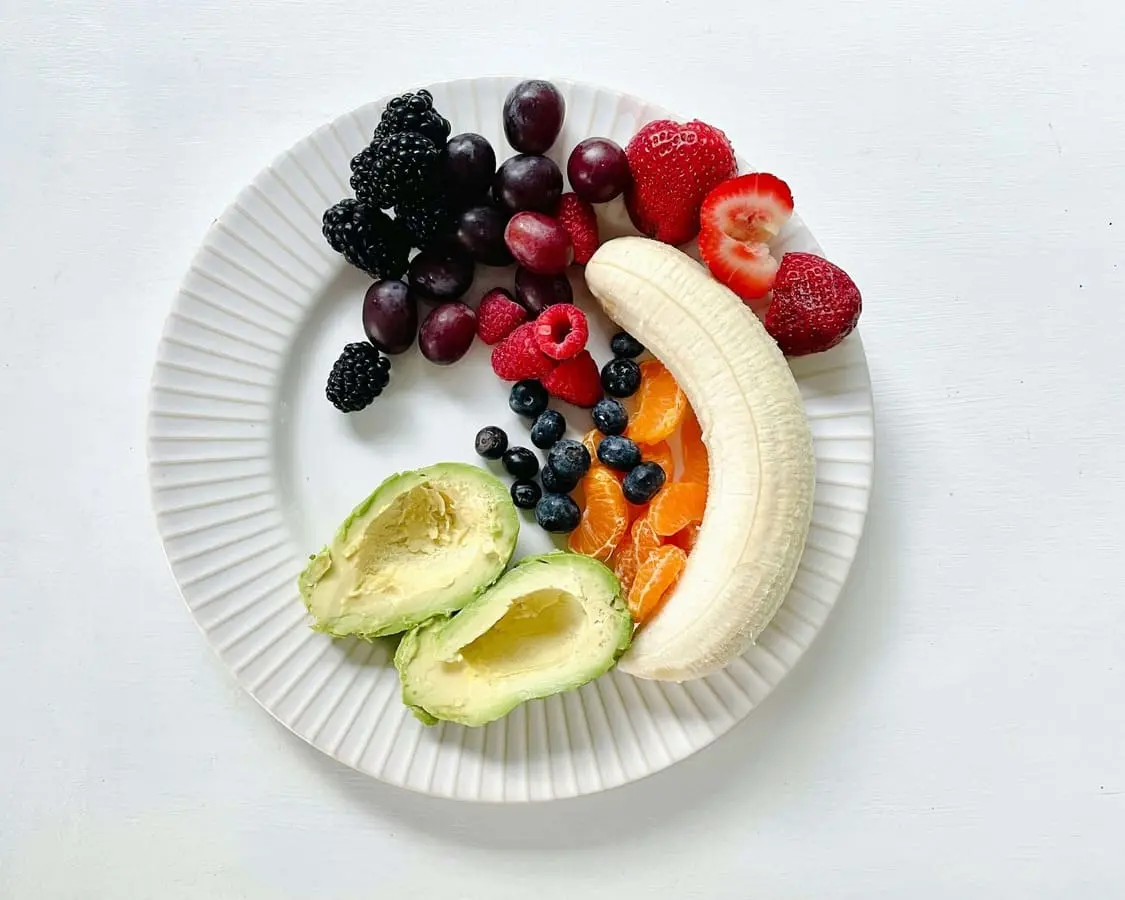
A 7-day balanced diet meal plan with protein, smart carbs, and healthy fats. No food groups excluded — just sensible portions built around whole foods. Simple, flexible, and family-friendly.
Balanced Diet FAQ
What is a balanced meal plan?
A balanced meal plan includes all food groups in proper proportions: proteins (meat, fish, eggs, legumes), carbohydrates (whole grains, vegetables), healthy fats (olive oil, nuts), and plenty of fruits and vegetables. It typically follows a 40% carbs, 30% protein, 30% fat ratio. The key difference from trendy diets is that nothing is eliminated — you simply focus on whole foods and appropriate portions.
How to create a balanced meal plan for weight loss?
Calculate your calorie needs and create a moderate deficit of 300-500 calories per day. Fill half your plate with vegetables, one quarter with lean protein, and one quarter with whole grains. Add a small amount of healthy fat like olive oil or avocado. Plan meals ahead, prep ingredients on weekends, and keep processed foods to a minimum. Most people see steady weight loss of 0.5-1 lb per week on this approach.
What should I eat for breakfast on a balanced diet?
Good options include oatmeal topped with berries and nuts, eggs with whole grain toast and avocado, Greek yogurt with fruit and seeds, or a smoothie with protein powder, greens, and healthy fats. The goal is to combine protein, fiber, and healthy fats in every morning meal — this combination keeps blood sugar stable and hunger at bay until lunch.
Is a balanced diet good for muscle building?
Yes, with adjustments. Increase protein to 1.6-2.2g per kg of body weight, eat in a slight calorie surplus of 200-300 kcal, and time carbohydrates around your workouts for energy and recovery. A balanced diet provides all the nutrients needed for muscle growth — including zinc, iron, B-vitamins, and magnesium — without the digestive issues that highly restrictive diets can cause.
How is a balanced diet different from keto or paleo?
Unlike keto, paleo, or vegan diets, a balanced diet does not eliminate entire food groups. You can eat bread, pasta, dairy, fruit, and dessert in moderation. This flexibility makes it far easier to sustain long-term, especially for families. There are no "cheat days" because no foods are forbidden — just prioritized. Research consistently shows that dietary adherence is the strongest predictor of results, and balanced eating scores highest on long-term compliance.
What does a balanced plate look like?
A balanced plate is roughly half non-starchy vegetables (broccoli, salad, peppers), one quarter lean protein (chicken, fish, beans), and one quarter complex carbohydrates (brown rice, sweet potato, whole-grain bread). Add a small serving of healthy fat such as olive oil or avocado to complete the meal. This visual method makes portion control intuitive without weighing food.
How many calories should a balanced meal have?
For most adults eating three meals a day, each balanced meal should contain roughly 450–650 calories, depending on total daily needs and activity level. Active individuals or those building muscle may aim for the higher end, while someone targeting weight loss can stay closer to 450 calories per meal. Including a protein source, fiber-rich carbs, and healthy fats in every meal helps keep you satisfied between meals.
What is the best balanced diet for weight loss?
The best balanced diet for weight loss creates a moderate calorie deficit of 300–500 kcal per day while still including all food groups. Prioritize high-volume, low-calorie vegetables, lean proteins for satiety, and whole grains for sustained energy. Unlike crash diets, this approach preserves muscle mass and keeps your metabolism stable, leading to sustainable fat loss of 0.5–1 pound per week without feeling deprived.
How to meal prep a balanced diet for the week?
Start by choosing 2–3 proteins, 3–4 vegetables, and 2 grain sources for the week. Batch-cook grains and proteins on Sunday, wash and chop vegetables, and portion everything into containers. Store dressings and sauces separately to keep meals fresh. Most prepped balanced meals last 4–5 days in the fridge, so you may need a mid-week mini prep for Thursday through Sunday.
What is the 40/30/30 diet ratio?
The 40/30/30 ratio means 40% of your daily calories come from carbohydrates, 30% from protein, and 30% from fat. This macronutrient split is widely used in balanced meal planning because it provides enough carbs for energy, sufficient protein for muscle maintenance and satiety, and adequate fat for hormone production and nutrient absorption. It is flexible enough to suit weight loss, maintenance, or muscle-building goals with minor adjustments.
Is a balanced diet good for lowering cholesterol?
Yes, a balanced diet can help lower LDL cholesterol by emphasizing fiber-rich whole grains, fruits, vegetables, and healthy unsaturated fats from sources like olive oil, nuts, and fatty fish. Reducing saturated fat from processed meats and full-fat dairy while increasing soluble fiber from oats, beans, and lentils has been shown to reduce LDL cholesterol by 5–10% within weeks. Combined with regular exercise, balanced eating is one of the most effective lifestyle strategies for improving cholesterol levels.
Can kids follow a balanced meal plan?
Absolutely — a balanced meal plan is one of the safest and most recommended eating patterns for children. Kids need all food groups for proper growth, brain development, and energy. Simply adjust portion sizes to their age and activity level, and offer a variety of colorful foods at each meal. Avoid restrictive diets for children unless directed by a pediatrician, as growing bodies need adequate carbohydrates, fats, and proteins every day.
Free Tools for This Plan
Browse Recipes
Related Meal Plans
Explore other sustainable, whole-food approaches.

Mediterranean Meal Plan
Olive oil, fish, and whole grains — the world's most researched healthy diet.
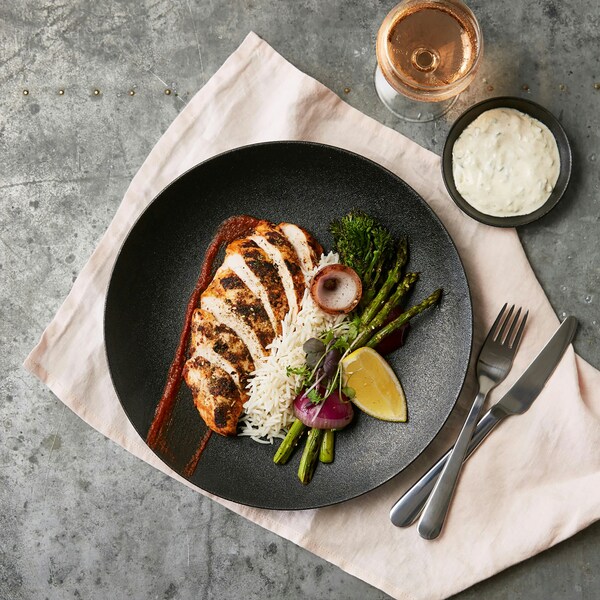
DASH Meal Plan
Heart-healthy eating focused on lowering blood pressure naturally.

High-Protein Meal Plan
Same balanced base with extra protein for muscle and satiety.
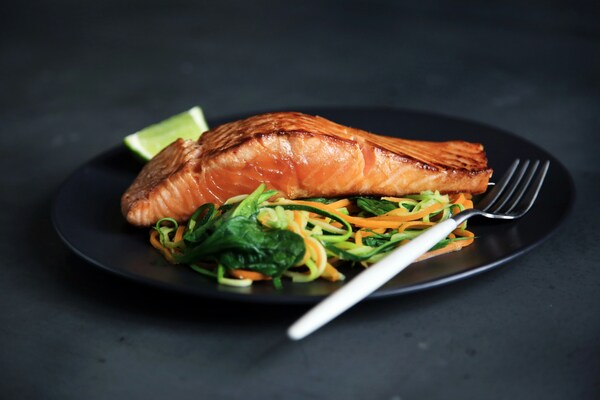
Calorie Deficit Meal Plan
Add a moderate deficit to balanced eating for steady weight loss.
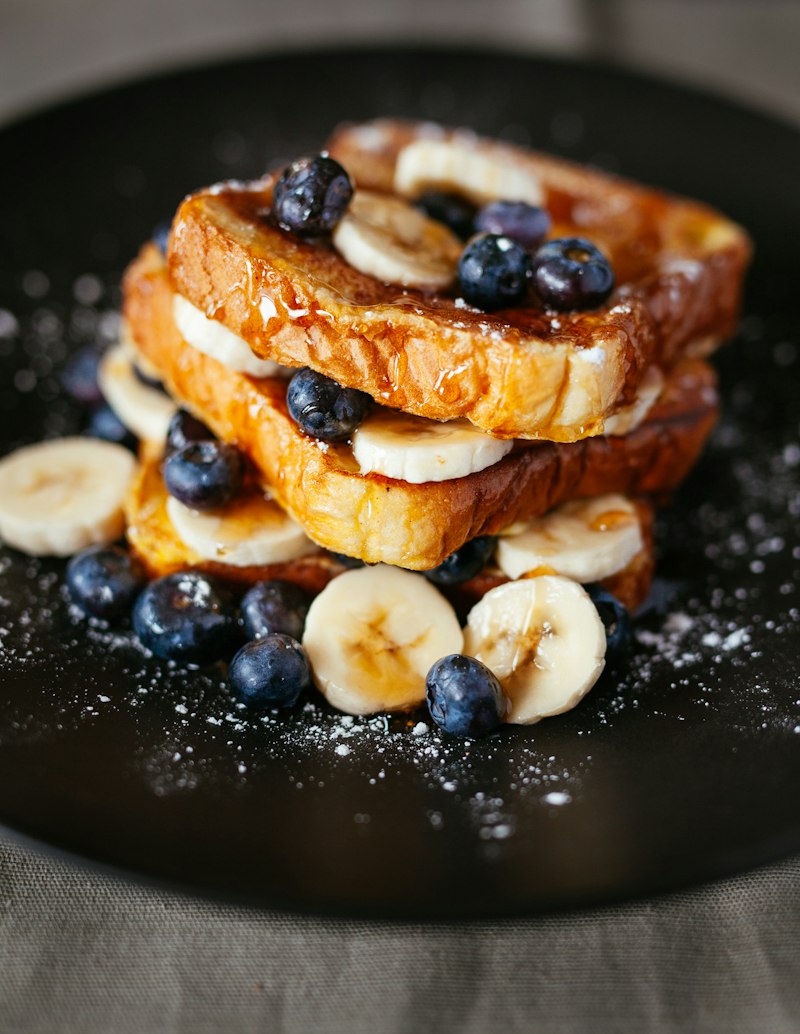
1,500 Calorie Meal Plan
A structured calorie target within a balanced eating framework.

Vegetarian Meal Plan
A plant-forward version of balanced eating with eggs and dairy.
Ready to eat balanced every day?
Answer a few questions about your goals, preferences, and schedule — get a personalized balanced meal plan with recipes, macros, and a grocery list in minutes.
Create my own