
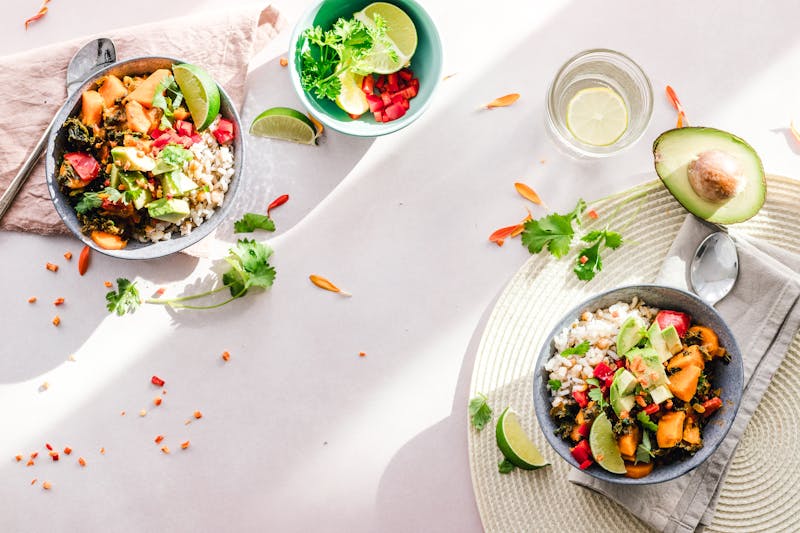
This 7-day no-sugar meal plan eliminates all added sweeteners while keeping meals delicious and satisfying. Zero added sugar, real ingredients, and exact macros to help you lose weight, kill cravings, and reclaim steady energy.
What Happens When You Stop Eating Sugar?
Quitting added sugar triggers a cascade of health improvements. Most people notice reduced cravings within 7–10 days, significant energy improvements within 2 weeks, and measurable weight loss within 30 days. Here is a timeline of what to expect:
| Timeline | What Happens |
|---|---|
| Days 1–3 | Sugar cravings peak. You may feel tired, irritable, or have headaches (sugar withdrawal). |
| Days 4–7 | Cravings start to fade. Energy levels begin to stabilize. Sleep quality improves. |
| Week 2 | Steady energy throughout the day. No afternoon crash. Skin starts to clear up. Bloating reduces. |
| Week 3–4 | Taste buds reset — natural foods taste sweeter. Weight loss becomes noticeable (1–2 kg typical). |
| Month 2–3 | Blood sugar and insulin levels normalize. LDL cholesterol drops. Inflammation markers decrease. |
| 6+ Months | Sustained weight loss, lower triglycerides, reduced risk of type 2 diabetes, heart disease, and fatty liver. |
Foods with Hidden Sugar
Over 70% of packaged foods contain added sugar — often disguised under 60+ different names. These are the most common hidden-sugar foods to avoid on a no sugar diet:
Surprising Hidden Sugar Foods
- •Flavored yogurt (12–20g sugar per cup)
- •Granola bars (8–15g sugar each)
- •Pasta sauce (6–12g sugar per serving)
- •Salad dressings (4–8g sugar per tbsp)
- •Bread (3–5g sugar per slice)
- •Ketchup (4g sugar per tbsp)
Sugar Aliases on Labels
- •High fructose corn syrup (HFCS)
- •Dextrose, maltose, sucrose
- •Cane juice / cane sugar
- •Agave nectar, rice syrup
- •Fruit juice concentrate
- •Barley malt, molasses
No Sugar Diet FAQ
What is a no sugar diet?
A no sugar diet eliminates all added sugars — table sugar, honey, maple syrup, agave, high-fructose corn syrup, and other sweeteners — while allowing natural sugars found in whole fruits, vegetables, and dairy. It is not a zero-carb diet. You still eat complex carbohydrates from whole grains, legumes, and starchy vegetables. The goal is to remove processed and hidden sugars that cause blood sugar spikes, cravings, and weight gain.
What happens when you stop eating sugar?
In the first 2–3 days, you may experience sugar withdrawal symptoms: headaches, irritability, fatigue, and intense cravings. By days 4–7, cravings start to diminish and energy levels stabilize. After 2 weeks, most people report clearer skin, better sleep, more consistent energy throughout the day, and reduced appetite. Long-term benefits include weight loss, lower triglycerides, reduced inflammation, and a significantly lower risk of type 2 diabetes and heart disease.
How to stop sugar cravings?
Eat enough protein and healthy fat at every meal — they stabilize blood sugar and keep you full. Drink plenty of water, as dehydration mimics sugar cravings. Eat whole fruit when you want something sweet — the fiber slows sugar absorption. Get enough sleep (7–9 hours), since sleep deprivation increases ghrelin and sugar cravings. Avoid artificial sweeteners, which can maintain your sweet tooth. Most cravings pass within 15–20 minutes if you stay distracted.
What foods have hidden sugar?
Many "healthy" foods contain hidden added sugar: flavored yogurt (12–20g per serving), granola bars (8–12g), salad dressings (4–8g per tablespoon), pasta sauces (6–12g per serving), bread (3–5g per slice), ketchup (4g per tablespoon), instant oatmeal packets (10–15g), protein bars (15–20g), smoothie bowls from shops (40–60g), and dried fruit with added sugar. Always read the "Added Sugars" line on nutrition labels.
Can you eat fruit on a no sugar diet?
Yes. Whole fruit is encouraged on a no sugar diet. The natural sugars in fruit come packaged with fiber, water, vitamins, and antioxidants that slow sugar absorption and provide essential nutrition. An apple has about 19g of natural sugar but also 4.4g of fiber and dozens of micronutrients. What you avoid is added sugar — the refined sugars put into processed foods. Fruit juice, however, should be limited because the fiber has been removed.
What is sugar withdrawal and how long does it last?
Sugar withdrawal occurs when your body adjusts to functioning without a constant supply of added sugar. Symptoms include headaches, fatigue, brain fog, irritability, mood swings, and intense cravings. These typically peak on days 2–3 and subside within 5–7 days. The severity depends on how much sugar you were consuming before. Staying hydrated, eating enough calories from whole foods, and getting adequate sleep helps ease the transition.
Will I lose weight if I stop eating sugar?
Most people lose weight when they eliminate added sugar, even without counting calories. Added sugar provides empty calories with no satiety — removing it naturally reduces calorie intake by 200–500 calories per day for the average American. Sugar also drives insulin spikes that promote fat storage, especially around the midsection. Studies show that reducing added sugar intake leads to significant reductions in body weight, BMI, and waist circumference within 8–12 weeks.
How to read food labels for hidden sugar?
Look at the "Added Sugars" line under Total Sugars on the Nutrition Facts label — this is the most important number. Check the ingredients list for sugar aliases: sucrose, dextrose, maltose, corn syrup, high-fructose corn syrup, cane juice, agave nectar, rice syrup, barley malt, and anything ending in "-ose." Ingredients are listed by weight, so if sugar appears in the first 3–5 ingredients, the product is sugar-heavy. A good rule: choose products with 0g added sugar.
What are good sugar alternatives for a no sugar diet?
On a strict no added sugar diet, the best sweetness comes from whole foods: mashed banana in oatmeal, unsweetened applesauce in baking, dates blended into smoothies, and cinnamon or vanilla extract for flavor. If you use any sweetener, stevia and monk fruit are zero-calorie, plant-based options that do not spike blood sugar. However, the goal of a no sugar diet is to retrain your palate to appreciate natural flavors — so minimizing all sweeteners, even alternatives, is ideal.
How much sugar is too much per day?
The American Heart Association recommends no more than 25g (6 teaspoons) of added sugar per day for women and 36g (9 teaspoons) for men. The average American consumes about 73g (17 teaspoons) per day — nearly triple the recommended limit. A no sugar diet aims for 0g of added sugar daily. Natural sugars from whole fruit and dairy do not count toward this limit because they come with fiber and nutrients.
Is a no sugar diet safe long-term?
Yes, eliminating added sugar is completely safe and recommended by virtually every major health organization. Added sugar has zero essential nutrients — your body does not need it. A no sugar diet based on whole foods provides all the carbohydrates your body needs from fruits, vegetables, and whole grains. The only caution is to make sure you eat enough total calories and do not restrict natural sugars from fruit and dairy, which provide important nutrients.
What are the health benefits of quitting sugar?
Quitting added sugar leads to: weight loss (especially visceral belly fat), clearer skin and fewer breakouts, more stable energy throughout the day, better sleep quality, improved dental health, lower triglycerides and LDL cholesterol, reduced inflammation markers, lower blood pressure, improved mental clarity and focus, reduced risk of type 2 diabetes, and a healthier gut microbiome. Most people notice improvements within the first 2–4 weeks.
Free Tools for This Plan
Browse Recipes
Related Meal Plans
Explore other whole-food, health-focused meal plans.

Clean Eating Plan
Whole, unprocessed foods for a cleaner, healthier lifestyle.

Low Carb Meal Plan
Reduce carbs while keeping meals satisfying and nutrient-rich.
Keto Meal Plan
High-fat, very low-carb meals for ketosis and fat burning.

Balanced Meal Plan
All food groups in proper proportions for everyday wellness.

Anti-Inflammatory Plan
Reduce chronic inflammation with omega-3s, fiber, and antioxidants.

Diabetic Meal Plan
Blood-sugar-friendly meals with controlled carbs and steady energy.
Ready to break free from added sugar?
Answer a few questions about your goals, preferences, and schedule — get a personalized no-sugar meal plan with recipes, macros, and a grocery list, completely free of added sweeteners.
Get My Sugar-Free Plan