AI Meal Planner logo AI Meal Planner
Muscle Building

Bulking Meal Plan
Build Lean Mass, Not Fat

A clean bulking meal plan with a strategic calorie surplus, high protein, and training-aligned carbs. Gain muscle efficiently without unnecessary fat.

Calorie Surplus
High Protein
Training Aligned
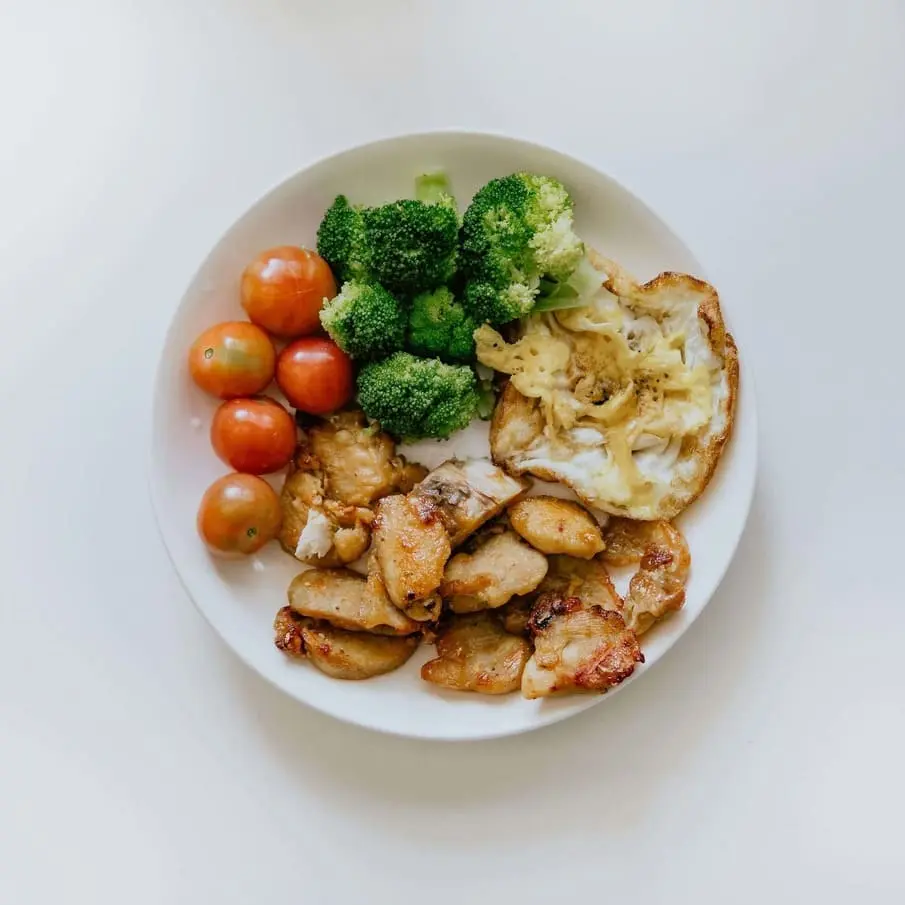
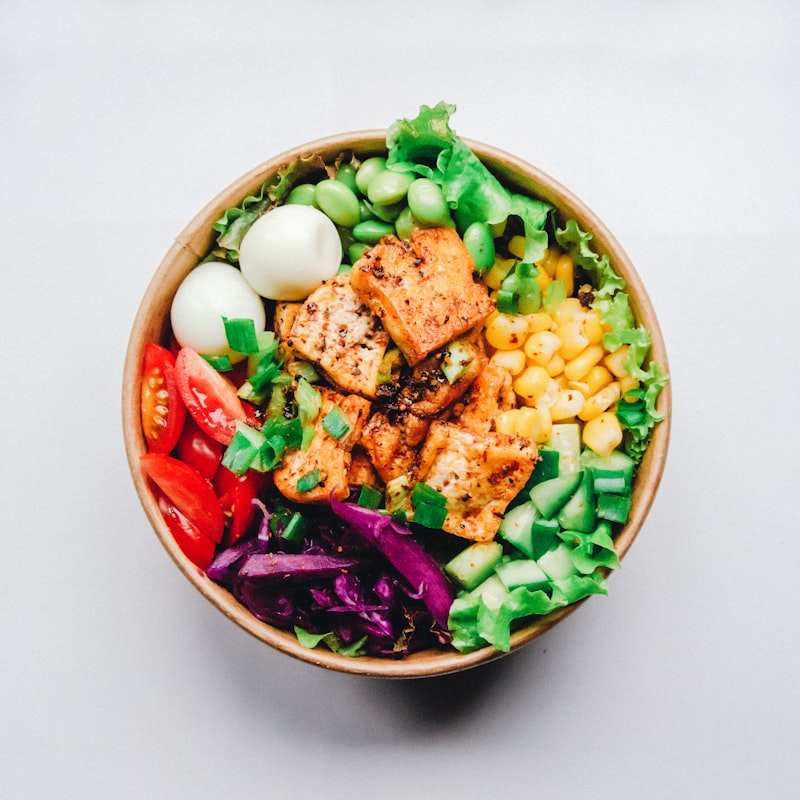
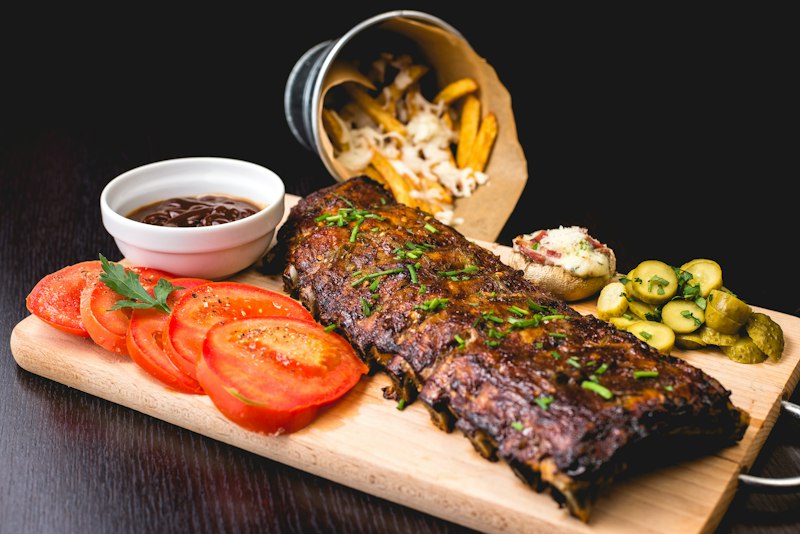
High-calorie bulking meals for muscle gain
2,800+
kcal/day

What Is a Bulking Diet?

A bulking diet provides a controlled calorie surplus — typically 250-500 calories above maintenance — to fuel muscle growth when combined with progressive resistance training. The focus is on lean proteins, complex carbs for energy, and adequate fats for hormone support.

Strategic Surplus

A 250-500 calorie surplus fuels muscle protein synthesis without excessive fat storage. Aim for 0.5-1 lb of weight gain per week.

Protein at Every Meal

1.6-2.2g/kg body weight spread across 4-5 meals ensures a steady stream of amino acids for muscle repair and growth.

Carbs Fuel Performance

Complex carbs (rice, oats, sweet potato) fuel training intensity and replenish glycogen — the key to progressive overload.

Sample 7-Day Bulking Menu

High-calorie, protein-rich meals designed to fuel muscle growth and training performance.

Days 1 2 3 4 5 6 7
Meals Breakfast: Protein Oats & Eggs
Lunch: Chicken, Rice & Broccoli
Dinner: Beef Stir-Fry
Breakfast: Egg & Toast Stack
Lunch: Salmon & Pasta
Dinner: Turkey & Sweet Potato
Breakfast: Smoothie & Toast
Lunch: Chicken Burrito Bowl
Dinner: Steak & Potatoes
Breakfast: French Toast & Eggs
Lunch: Tuna Pasta Bake
Dinner: Chicken Thighs & Rice
Breakfast: Bagel & Eggs
Lunch: Beef & Bean Chili
Dinner: Teriyaki Salmon & Noodles
Breakfast: Pancake Stack & Sausage
Lunch: Lamb Kebab & Couscous
Dinner: Pork Stir‑Fry & Rice
Breakfast: Breakfast Burrito
Lunch: BBQ Chicken & Baked Potato
Dinner: Spaghetti Bolognese
Daily Totals Calories: 2,360
Protein: 160g
Carbs: 238g
Fat: 80g
Calories: 2,340
Protein: 144g
Carbs: 234g
Fat: 88g
Calories: 2,480
Protein: 156g
Carbs: 244g
Fat: 94g
Calories: 2,360
Protein: 150g
Carbs: 244g
Fat: 82g
Calories: 2,400
Protein: 148g
Carbs: 236g
Fat: 90g
Calories: 2,360
Protein: 150g
Carbs: 248g
Fat: 82g
Calories: 2,460
Protein: 152g
Carbs: 244g
Fat: 92g

Day 1

Daily totals: 2,360 calories, 80g fat, 160g protein, 238g carbs

Breakfast (780 calories)

Protein Oats & Eggs

Oatmeal with protein powder, banana, and peanut butter. 3 whole eggs on the side.

Lunch (820 calories)

Chicken, Rice & Broccoli

Double chicken breast (8oz) with 1.5 cups jasmine rice and steamed broccoli. Soy-garlic sauce.

Dinner (760 calories)

Beef Stir-Fry

Lean ground beef with sweet potato, bell peppers, and onions. Topped with avocado.

Day 2

Daily totals: 2,340 calories, 88g fat, 144g protein, 234g carbs

Breakfast (720 calories)

Egg & Toast Stack

4 eggs scrambled with cheese on 3 slices whole grain toast. Orange juice.

Lunch (840 calories)

Salmon & Pasta

Grilled salmon fillet (6oz) with whole wheat pasta, olive oil, garlic, and cherry tomatoes.

Dinner (780 calories)

Turkey & Sweet Potato

Ground turkey with 2 medium sweet potatoes, steamed asparagus, and butter.

Day 3

Daily totals: 2,480 calories, 94g fat, 156g protein, 244g carbs

Breakfast (760 calories)

Smoothie & Toast

Protein smoothie (whey, banana, oats, milk, peanut butter). 2 slices toast with jam.

Lunch (900 calories)

Chicken Burrito Bowl

Double chicken with rice, black beans, corn, salsa, cheese, sour cream, and guacamole.

Dinner (820 calories)

Steak & Potatoes

8oz sirloin steak with mashed potatoes, gravy, and roasted green beans.

This is just a sample

Want this plan customized for you?

Get a meal plan tailored to your calories, food preferences, allergies, and schedule — with a full grocery list and step-by-step recipes.

Create My Custom Plan

Day 4

Daily totals: 2,360 calories, 82g fat, 150g protein, 244g carbs

Breakfast (740 calories)

French Toast & Eggs

3 slices whole‑grain French toast with maple syrup; 3 scrambled eggs on the side.

Lunch (820 calories)

Tuna Pasta Bake

Tuna, whole wheat pasta, marinara, mozzarella; side of mixed greens.

Dinner (800 calories)

Chicken Thighs & Rice

Grilled chicken thighs with jasmine rice, roasted sweet potato, and salad.

Day 5

Daily totals: 2,400 calories, 90g fat, 148g protein, 236g carbs

Breakfast (760 calories)

Bagel & Eggs

Whole‑grain bagel with cream cheese, 4 scrambled eggs, and a banana.

Lunch (860 calories)

Beef & Bean Chili

Ground beef chili with kidney beans, rice, sour cream, and cheese.

Dinner (780 calories)

Teriyaki Salmon & Noodles

Teriyaki‑glazed salmon with udon noodles and steamed edamame.

Day 6

Daily totals: 2,360 calories, 82g fat, 150g protein, 248g carbs

Breakfast (720 calories)

Pancake Stack & Sausage

4 protein pancakes with maple syrup; side of turkey sausage links.

Lunch (840 calories)

Lamb Kebab & Couscous

Grilled lamb kebabs, couscous, roasted vegetables, tahini drizzle.

Dinner (800 calories)

Pork Stir‑Fry & Rice

Pork tenderloin stir‑fry with mixed vegetables, soy sauce, 1.5 cups rice.

Day 7

Daily totals: 2,460 calories, 92g fat, 152g protein, 244g carbs

Breakfast (780 calories)

Breakfast Burrito

Flour tortilla with eggs, sausage, cheese, potatoes, and salsa.

Lunch (880 calories)

BBQ Chicken & Baked Potato

Shredded BBQ chicken, loaded baked potato with cheese and sour cream, corn.

Dinner (800 calories)

Spaghetti Bolognese

Lean beef Bolognese with whole wheat spaghetti and garlic bread.

Perfect For

Who Is a Bulking Plan For?

Anyone looking to gain muscle mass with a structured approach to eating.

🏋️

Lifters & Bodybuilders

Running a hypertrophy program and need to eat enough to grow. Structured surplus prevents guesswork and dirty bulking.

🆕

Skinny Beginners

Struggling to gain weight? A structured meal plan makes hitting calorie targets achievable, even with a small appetite.

🏃

Athletes Building Size

Need to add size for your sport (football, rugby, rowing). Training-aligned nutrition maximizes strength and mass gains.

🔄

Post-Cut Reverse Dieters

Transitioning from a calorie deficit back to surplus. A structured bulk prevents rapid fat regain after a cutting phase.

What to Eat & What to Limit

Fill your surplus with nutrient-dense, muscle-building foods.

Best Bulking Foods

  • Lean proteins — chicken breast, lean beef, turkey, salmon, eggs, Greek yogurt, whey protein
  • Complex carbs — white and brown rice, oats, sweet potatoes, pasta, bread, quinoa
  • Calorie-dense healthy fats — peanut butter, olive oil, avocado, nuts, cheese
  • Starchy vegetables — potatoes, corn, peas, butternut squash
  • Fruit — bananas, mangoes, dates, berries (easy calories and micronutrients)
  • Dairy — whole milk, cottage cheese, yogurt (protein + calories)

Limit While Bulking

  • Excessive junk food — dirty bulking adds unnecessary fat and harms health markers
  • Sugary drinks — soda, energy drinks (empty calories without nutrition)
  • Alcohol — inhibits muscle protein synthesis and disrupts recovery
  • Deep-fried foods in excess — fried chicken, fries (too much fat per meal)
  • Low-calorie fillers — diet products, zero-calorie drinks that fill you up without fueling growth
  • Skipping meals — missing meals makes hitting calorie targets nearly impossible

How to Start a Clean Bulk

Four steps to gaining muscle without gaining a gut.

1

Calculate Your Surplus

Find your maintenance calories and add 250-500. The AI calculates this from your weight, height, activity, and goal.

2

Hit Protein First

Aim for 1.6-2.2g/kg body weight. Build every meal around a protein source, then fill with carbs and fats.

3

Train Hard

A surplus without progressive resistance training just adds fat. Follow a structured hypertrophy program 3-5 days per week.

4

Track & Adjust

Weigh weekly. Gaining 0.5-1 lb/week? Perfect. More than that? Reduce surplus slightly. Less? Add 100-200 calories.

Want this plan personalized for you?

Get a custom 7-day meal plan with grocery list, macro tracking, and 600+ recipes.

Get My Personalized Plan

Bulking Diet FAQ

How many calories do you need to bulk?

For lean bulking, eat 250-500 calories above your maintenance level. This produces 0.5-1 lb of weight gain per week, mostly lean mass when combined with progressive resistance training. Aggressive bulking (500+ surplus) adds more fat.

How much protein do you need for bulking?

1.6-2.2g of protein per kg of body weight is optimal for muscle growth. For a 180lb (82kg) person, that is 130-180g of protein per day spread across 4-5 meals for best absorption.

What is the difference between clean and dirty bulking?

Clean bulking uses nutrient-dense whole foods with a controlled 250-500 calorie surplus. Dirty bulking uses any food to maximize calorie intake, often leading to excessive fat gain. Clean bulking is slower but produces better body composition.

How long should a bulking phase last?

A typical bulking phase lasts 3-6 months, depending on goals. Most people bulk until body fat reaches 15-18% (men) or 25-28% (women), then transition to a cut. Beginners can bulk longer due to faster muscle gain potential.

Do you need carbs to build muscle?

Carbs are critical for bulking. They fuel intense training, replenish glycogen stores, and create an anabolic insulin response that supports muscle protein synthesis. Aim for 3-5g of carbs per kg of body weight on training days.

Ready to build serious muscle?

Get a personalized bulking meal plan with high-protein recipes, training-aligned carbs, and a complete grocery list.

Create My Bulking Plan

Personalized meal plans tailored to your calories, macros, and preferences.