AI Meal Planner logo AI Meal Planner
Digestive Health

High Fiber Meal Plan
Better Digestion Daily

Reach 30–40g of fiber every day with delicious, whole-food meals. Improve digestion, lower cholesterol, stabilize blood sugar, and feel fuller longer — without supplements or boring food.

30g+ Fiber Daily
Gut Health Boost
Natural Weight Loss
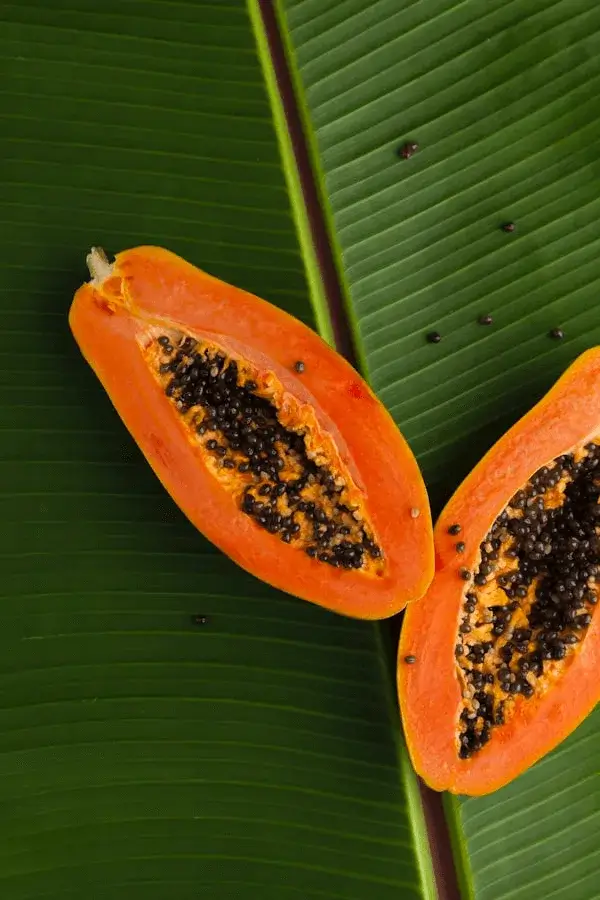
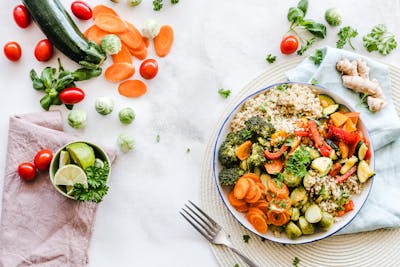
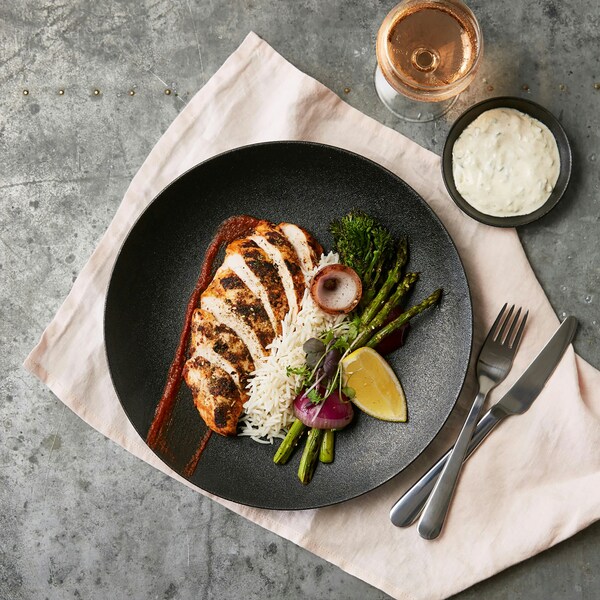
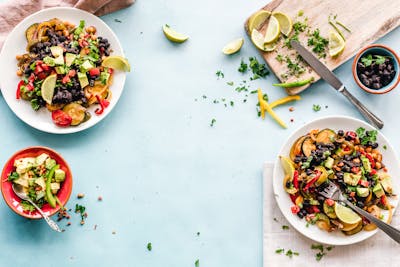
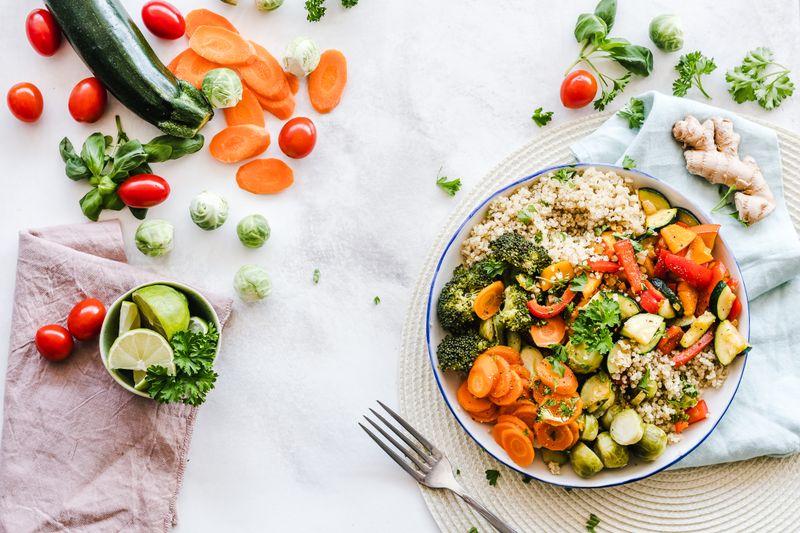
High fiber foods including beans, vegetables, whole grains and fruits
30–40g
Fiber / Day

What Is a High Fiber Diet?

A high fiber diet focuses on reaching 30–40 grams of fiber daily through whole, unprocessed foods — legumes, vegetables, fruits, whole grains, nuts, and seeds. Fiber is the indigestible part of plant foods that feeds your gut bacteria, slows digestion, and helps you feel full longer. Most people only get about 15g per day, which is less than half the recommended intake.

Two Types of Fiber

Soluble fiber (oats, beans, apples) lowers cholesterol and stabilizes blood sugar. Insoluble fiber (vegetables, whole wheat, nuts) prevents constipation and promotes regularity.

Gut Microbiome Fuel

Fiber feeds beneficial gut bacteria that produce short-chain fatty acids — reducing inflammation, strengthening immunity, and improving mental health.

Proven Weight Management

Studies show that simply increasing fiber to 30g/day leads to significant weight loss, comparable to more complex diets, by naturally reducing calorie intake.

How Much Fiber Per Day?

The recommended daily fiber intake is 25g for women and 38g for men. Most people only eat about 15g — half the target. A high fiber meal plan aims for 30–40g per day from whole foods, which research links to lower cholesterol, better blood sugar control, reduced cancer risk, and natural weight loss.

Highest Fiber Foods

These are the highest fiber foods per serving — sorted by fiber content. Legumes dominate the list as the single best food group for dietary fiber.

Food Serving Fiber Calories Type
Split Peas1 cup cooked16.3g231Soluble + Insoluble
Lentils1 cup cooked15.6g230Soluble + Insoluble
Black Beans1 cup cooked15.0g227Soluble + Insoluble
Chickpeas1 cup cooked12.5g269Soluble + Insoluble
Artichoke1 medium10.3g60Insoluble
Avocado1 whole10.0g240Soluble + Insoluble
Chia Seeds1 oz (28g)10.0g138Soluble
Raspberries1 cup8.0g64Insoluble
Pear (with skin)1 medium5.5g101Soluble + Insoluble
Broccoli1 cup cooked5.1g55Insoluble
Oats½ cup dry4.0g150Soluble (beta-glucan)
Almonds1 oz (28g)3.5g164Insoluble

Complete 7-Day High Fiber Menu

Every meal, every day — with exact calories, protein, carbs, fat, and fiber.

Days 1 2 3 4 5 6 7
Meals Breakfast: Overnight Oats with Chia & Berries
Lunch: Lentil & Vegetable Soup
Dinner: Chicken & Black Bean Bowl
Breakfast: Bran Flakes with Banana & Flaxseed
Lunch: Chickpea & Quinoa Salad
Dinner: Salmon with Sweet Potato & Broccoli
Breakfast: Whole Wheat Toast with Avocado & Egg
Lunch: Black Bean Burrito Bowl
Dinner: Turkey & Lentil Chili
Breakfast: Berry Smoothie Bowl
Lunch: Split Pea Soup & Crackers
Dinner: Chicken Stir-Fry with Edamame
Breakfast: Oatmeal with Apple & Cinnamon
Lunch: Mediterranean Lentil Salad
Dinner: Baked Cod with White Beans & Kale
Breakfast: Peanut Butter & Banana on Whole Grain
Lunch: Three-Bean Minestrone
Dinner: Pork Tenderloin with Barley & Roasted Vegetables
Breakfast: High Fiber Pancakes
Lunch: Falafel Wrap with Hummus
Dinner: Vegetable & Bean Curry
Daily Totals Calories: 1,560
Protein: 84g
Carbs: 200g
Fat: 44g
Calories: 1,500
Protein: 74g
Carbs: 186g
Fat: 50g
Calories: 1,600
Protein: 86g
Carbs: 182g
Fat: 54g
Calories: 1,460
Protein: 84g
Carbs: 196g
Fat: 36g
Calories: 1,480
Protein: 78g
Carbs: 178g
Fat: 48g
Calories: 1,540
Protein: 82g
Carbs: 186g
Fat: 50g
Calories: 1,580
Protein: 66g
Carbs: 204g
Fat: 52g

Day 1

Daily totals: 1,560 calories, 44g fat, 84g protein, 200g carbs

Breakfast (420 calories)

Overnight Oats with Chia & Berries

Rolled oats, chia seeds, milk, mixed berries, walnuts.

Lunch (520 calories)

Lentil & Vegetable Soup

Red lentils, carrots, celery, tomatoes, spinach; whole grain bread.

Dinner (620 calories)

Chicken & Black Bean Bowl

Grilled chicken, black beans, brown rice, roasted peppers, avocado.

Day 2

Daily totals: 1,500 calories, 50g fat, 74g protein, 186g carbs

Breakfast (380 calories)

Bran Flakes with Banana & Flaxseed

High-fiber bran cereal, sliced banana, ground flaxseed, milk.

Lunch (540 calories)

Chickpea & Quinoa Salad

Chickpeas, quinoa, cucumber, tomato, red onion, lemon-tahini dressing.

Dinner (580 calories)

Salmon with Sweet Potato & Broccoli

Baked salmon fillet; roasted sweet potato; steamed broccoli with olive oil.

Day 3

Daily totals: 1,600 calories, 54g fat, 86g protein, 182g carbs

Breakfast (440 calories)

Whole Wheat Toast with Avocado & Egg

2 slices whole wheat bread, mashed avocado, poached egg, cherry tomatoes.

Lunch (560 calories)

Black Bean Burrito Bowl

Black beans, brown rice, corn, salsa, Greek yogurt, shredded lettuce.

Dinner (600 calories)

Turkey & Lentil Chili

Ground turkey, green lentils, kidney beans, tomatoes, bell peppers; whole grain roll.

This is just a sample

Want this plan customized for you?

Get a meal plan tailored to your calories, food preferences, allergies, and schedule — with a full grocery list and step-by-step recipes.

Create My Custom Plan

Day 4

Daily totals: 1,460 calories, 36g fat, 84g protein, 196g carbs

Breakfast (400 calories)

Berry Smoothie Bowl

Frozen berries, banana, oats, spinach, topped with granola and chia seeds.

Lunch (480 calories)

Split Pea Soup & Crackers

Yellow split pea soup with carrots and onion; whole grain crackers.

Dinner (580 calories)

Chicken Stir-Fry with Edamame

Chicken breast, edamame, snap peas, broccoli, brown rice noodles, soy-ginger sauce.

Day 5

Daily totals: 1,480 calories, 48g fat, 78g protein, 178g carbs

Breakfast (420 calories)

Oatmeal with Apple & Cinnamon

Steel-cut oats, diced apple, cinnamon, walnuts, drizzle of honey.

Lunch (540 calories)

Mediterranean Lentil Salad

Brown lentils, cherry tomatoes, cucumber, feta, olives, whole wheat pita.

Dinner (520 calories)

Baked Cod with White Beans & Kale

Baked cod fillet, cannellini beans, sautéed kale, garlic, lemon, olive oil.

Day 6

Daily totals: 1,540 calories, 50g fat, 82g protein, 186g carbs

Breakfast (440 calories)

Peanut Butter & Banana on Whole Grain

Whole grain toast, natural peanut butter, sliced banana, chia seeds.

Lunch (520 calories)

Three-Bean Minestrone

Kidney beans, white beans, chickpeas, pasta, zucchini, tomatoes, basil.

Dinner (580 calories)

Pork Tenderloin with Barley & Roasted Vegetables

Herb-crusted pork tenderloin, pearl barley, roasted Brussels sprouts and carrots.

Day 7

Daily totals: 1,580 calories, 52g fat, 66g protein, 204g carbs

Breakfast (440 calories)

High Fiber Pancakes

Whole wheat and oat flour pancakes with fresh raspberries and Greek yogurt.

Lunch (560 calories)

Falafel Wrap with Hummus

Baked falafel, whole wheat wrap, hummus, mixed greens, pickled onion.

Dinner (580 calories)

Vegetable & Bean Curry

Chickpeas, cauliflower, spinach, tomato-coconut curry sauce; brown basmati rice.

Shopping List

Weekly Grocery List

Everything you need for the full 7-day high fiber plan.

🫘 Legumes & Beans

  • Red lentils 500g
  • Brown/green lentils 400g
  • Black beans (canned) 3 cans
  • Chickpeas (canned) 2 cans
  • Kidney beans (canned) 1 can
  • Cannellini beans (canned) 1 can
  • Yellow split peas 300g
  • Edamame (frozen) 200g

🌾 Whole Grains

  • Rolled oats 500g
  • Steel-cut oats 250g
  • Brown rice 500g
  • Quinoa 300g
  • Whole wheat bread 2 loaves
  • Whole wheat wraps 1 pack
  • Pearl barley 250g
  • High-fiber bran cereal 1 box
  • Whole grain crackers 1 pack
  • Brown rice noodles 200g

🍗 Proteins

  • Chicken breast 600g
  • Salmon fillets 2 fillets
  • Cod fillets 2 fillets
  • Ground turkey 400g
  • Pork tenderloin 400g
  • Eggs 6
  • Greek yogurt 500g

🥬 Vegetables

  • Broccoli 2 heads
  • Spinach 300g
  • Kale 1 bunch
  • Sweet potatoes 3
  • Carrots 6
  • Bell peppers 4
  • Tomatoes 6
  • Cherry tomatoes 2 pints
  • Cucumber 2
  • Celery 1 bunch
  • Brussels sprouts 300g
  • Cauliflower 1 head
  • Zucchini 2
  • Corn 1 can
  • Snap peas 200g

🍎 Fruits

  • Bananas 6
  • Mixed berries (fresh/frozen) 500g
  • Raspberries 200g
  • Apples 3
  • Avocados 3
  • Lemons 3

🥜 Seeds, Nuts & Pantry

  • Chia seeds 100g
  • Ground flaxseed 100g
  • Walnuts 150g
  • Natural peanut butter 1 jar
  • Tahini 1 jar
  • Hummus 1 tub
  • Olive oil 1 bottle
  • Canned tomatoes 3 cans
  • Falafel mix (or frozen) 1 pack
  • Granola 200g
  • Honey 1 jar
  • Soy sauce 1 bottle
Get Your Personalized Grocery List

or

Perfect For

Who Needs a High Fiber Meal Plan?

A fiber-rich diet benefits almost everyone — but some groups see dramatic improvements.

🧠

Gut Health Seekers

Feed your microbiome with prebiotic fiber from beans, oats, and vegetables. A diverse gut equals better immunity, mood, and energy.

❤️

Heart Health Focus

Soluble fiber lowers LDL cholesterol by 5–11%. Ideal for anyone with high cholesterol, a family history of heart disease, or high blood pressure.

⚖️

Weight Loss Goals

Fiber increases satiety and reduces calorie absorption. People who eat 30g+ daily naturally eat less without feeling hungry or deprived.

🩸

Blood Sugar Control

Soluble fiber slows glucose absorption, reducing blood sugar spikes after meals. Essential for prediabetics and anyone managing type 2 diabetes.

High Fiber Foods to Eat & Foods to Limit

Focus on whole plant foods and minimize processed items that strip fiber away.

High Fiber Foods

  • Legumes — lentils, black beans, chickpeas, split peas (7–16g fiber per cup)
  • Whole grains — oats, barley, quinoa, brown rice, whole wheat bread
  • Vegetables — broccoli, Brussels sprouts, artichokes, sweet potatoes, kale
  • Fruits — raspberries, pears, apples with skin, avocados, bananas
  • Seeds & nuts — chia seeds, flaxseeds, almonds, walnuts, pumpkin seeds
  • Root vegetables — carrots, beets, turnips, parsnips

Low Fiber to Limit

  • White bread & refined flour — fiber removed during processing
  • Sugary cereals — often 0–1g fiber per serving despite grain claims
  • Fruit juice — no fiber compared to whole fruit
  • White rice & regular pasta — choose brown or whole wheat versions
  • Processed snacks — chips, crackers, cookies made with refined flour
  • Peeled vegetables & fruits — much of the fiber is in the skin

How to Increase Your Fiber Intake

Four simple habits to reach 30g+ of fiber every day.

1

Start with Whole Grains

Switch white bread, rice, and pasta to their whole grain versions. This alone can add 8–10g of fiber per day.

2

Add Beans to Every Lunch

Lentils, chickpeas, and black beans are the highest-fiber foods available. Half a cup adds 7–8g of fiber to any meal.

3

Snack on Fruit & Nuts

An apple with peanut butter, berries with yogurt, or a handful of almonds — easy snacks that add 4–6g of fiber each.

4

Increase Gradually & Hydrate

Add 5g per week to avoid bloating. Drink at least 8 glasses of water daily — fiber needs water to work properly.

Want this plan personalized for you?

Get a custom 7-day meal plan with grocery list, macro tracking, and 600+ recipes.

Get My Personalized Plan

High Fiber Diet FAQ

What is a good high-fiber meal plan?

A good high-fiber meal plan includes 30–40g of fiber per day from whole foods: legumes (lentils, beans, chickpeas), whole grains (oats, quinoa, brown rice), vegetables (broccoli, sweet potatoes, artichokes), fruits (berries, apples, pears), and seeds (chia, flax). Each meal should combine protein with fiber-rich carbs. A 7-day plan with breakfast, lunch, and dinner ensures variety and consistent fiber intake without supplements.

What are some high-fiber meal plan ideas?

High-fiber meal ideas include: overnight oats with chia seeds and berries (10g fiber), lentil and vegetable soup with whole grain bread (14g), black bean burrito bowl with brown rice (12g), chickpea and quinoa salad (11g), three-bean minestrone (13g), baked cod with white beans and kale (9g), turkey and lentil chili (15g), and falafel wraps with hummus (10g). The key is building every meal around legumes, whole grains, or both.

How to create a high-fiber meal plan?

Start by setting a daily fiber target of 30–40g. Include legumes (beans, lentils) at least once per day — they are the highest-fiber foods. Choose whole grains over refined (brown rice, oats, whole wheat bread). Add vegetables to every meal and eat fruit with skin for snacks. Use chia seeds, flaxseeds, or nuts as easy fiber boosters. Increase fiber gradually by 5g per week and drink 8+ glasses of water daily to prevent bloating.

How much fiber should I eat per day?

The recommended daily fiber intake is 25g for women and 38g for men, according to the Academy of Nutrition and Dietetics. Most Americans only get about 15g per day — roughly half the recommended amount. A high fiber meal plan helps you consistently reach 30–40g daily through whole foods like beans, lentils, oats, vegetables, and fruit.

What are the highest fiber foods?

The highest fiber foods per serving are: split peas (16.3g per cup cooked), lentils (15.6g per cup), black beans (15g per cup), chickpeas (12.5g per cup), artichokes (10.3g each), avocado (10g each), chia seeds (10g per ounce), raspberries (8g per cup), pear with skin (5.5g each), oats (4g per half cup), broccoli (5.1g per cup), and almonds (3.5g per ounce). Legumes dominate the list as the single best food group for fiber.

What is high fiber food?

A high fiber food is any food that contains 5g or more of dietary fiber per serving. Examples include lentils, black beans, chickpeas, split peas, artichokes, avocado, chia seeds, raspberries, oats, whole wheat bread, broccoli, and sweet potatoes. Foods with 3–4.9g per serving are considered "good sources" of fiber. Most high fiber foods are plant-based — legumes, whole grains, vegetables, fruits, nuts, and seeds.

Is a high fiber diet good for weight loss?

Yes. Fiber slows digestion, increases satiety, and helps you eat fewer calories naturally. A study in the Annals of Internal Medicine found that simply adding 30g of fiber per day led to meaningful weight loss — comparable to more complex diets. Soluble fiber also reduces visceral belly fat by improving gut bacteria and reducing inflammation.

How to get 30 grams of fiber a day?

A simple way to reach 30g: eat oatmeal with berries for breakfast (8g), a bean-based lunch like lentil soup with whole grain bread (14g), an apple or pear for a snack (4g), and a dinner with vegetables and quinoa (8g). Adding chia seeds, flaxseeds, or avocado to any meal is an easy fiber boost. The key is including legumes, whole grains, and vegetables at every meal.

Can too much fiber cause bloating?

Yes, increasing fiber too quickly can cause bloating, gas, and cramping. The key is to increase gradually — add 5g per week until you reach your target. Drink plenty of water (at least 8 glasses per day) to help fiber move through your digestive system. Cooking vegetables and soaking beans also reduces gas-causing compounds.

What is the difference between soluble and insoluble fiber?

Soluble fiber dissolves in water and forms a gel-like substance — it lowers cholesterol, stabilizes blood sugar, and feeds beneficial gut bacteria. Found in oats, beans, apples, and chia seeds. Insoluble fiber does not dissolve — it adds bulk to stool and prevents constipation. Found in whole wheat, vegetables, and nuts. A balanced high fiber diet includes both types.

Does fiber lower cholesterol?

Yes, soluble fiber binds to cholesterol in the digestive system and removes it from the body before it enters the bloodstream. Eating 5–10g of soluble fiber daily can reduce LDL (bad) cholesterol by 5–11%. Oats, barley, beans, lentils, and flaxseeds are particularly effective at lowering cholesterol levels.

Is high fiber diet good for gut health?

Absolutely. Fiber is the primary fuel for beneficial gut bacteria. When bacteria ferment fiber, they produce short-chain fatty acids (SCFAs) that reduce inflammation, strengthen the gut lining, and improve immune function. A diverse high-fiber diet with beans, vegetables, fruits, and whole grains promotes a healthy, diverse microbiome — linked to better mood, immunity, and metabolic health.

Can I eat high fiber on a low carb diet?

Yes, but you need to choose your sources carefully. Avocados (10g fiber), chia seeds (10g per ounce), flaxseeds (8g per ounce), almonds (3.5g per ounce), and non-starchy vegetables (broccoli, cauliflower, leafy greens) are all high in fiber and low in net carbs. On keto, focus on getting fiber from seeds, nuts, and above-ground vegetables.

Does fiber help with constipation?

Yes, insoluble fiber adds bulk to stool and speeds up transit time through the colon, relieving constipation. Good sources include whole wheat bran, vegetables, and nuts. However, you must also drink enough water — fiber without adequate hydration can actually worsen constipation. Aim for at least 25–30g of fiber and 8+ glasses of water daily.

What are high fiber breakfast ideas?

Top high fiber breakfasts include: overnight oats with chia seeds and berries (10–12g fiber), bran cereal with banana and flaxseed (10g), whole wheat toast with avocado (8g), a smoothie bowl with oats, spinach, and fruit (8g), or whole wheat pancakes with raspberries (7g). The key is combining whole grains with fruit and seeds.

Is high fiber diet safe during pregnancy?

Yes, a high fiber diet is recommended during pregnancy to prevent constipation (a common issue), manage blood sugar, and support healthy weight gain. Aim for 28g per day. Focus on beans, whole grains, fruits, and vegetables. Increase gradually and drink plenty of water. Avoid fiber supplements without consulting your doctor.

Ready to eat 30g+ of fiber every day?

Answer a few questions about your goals, preferences, and schedule — get a personalized high fiber meal plan with recipes, macros, and a grocery list in minutes.

Get My High Fiber Plan

Personalized meal plans tailored to your calories, macros, and preferences.