
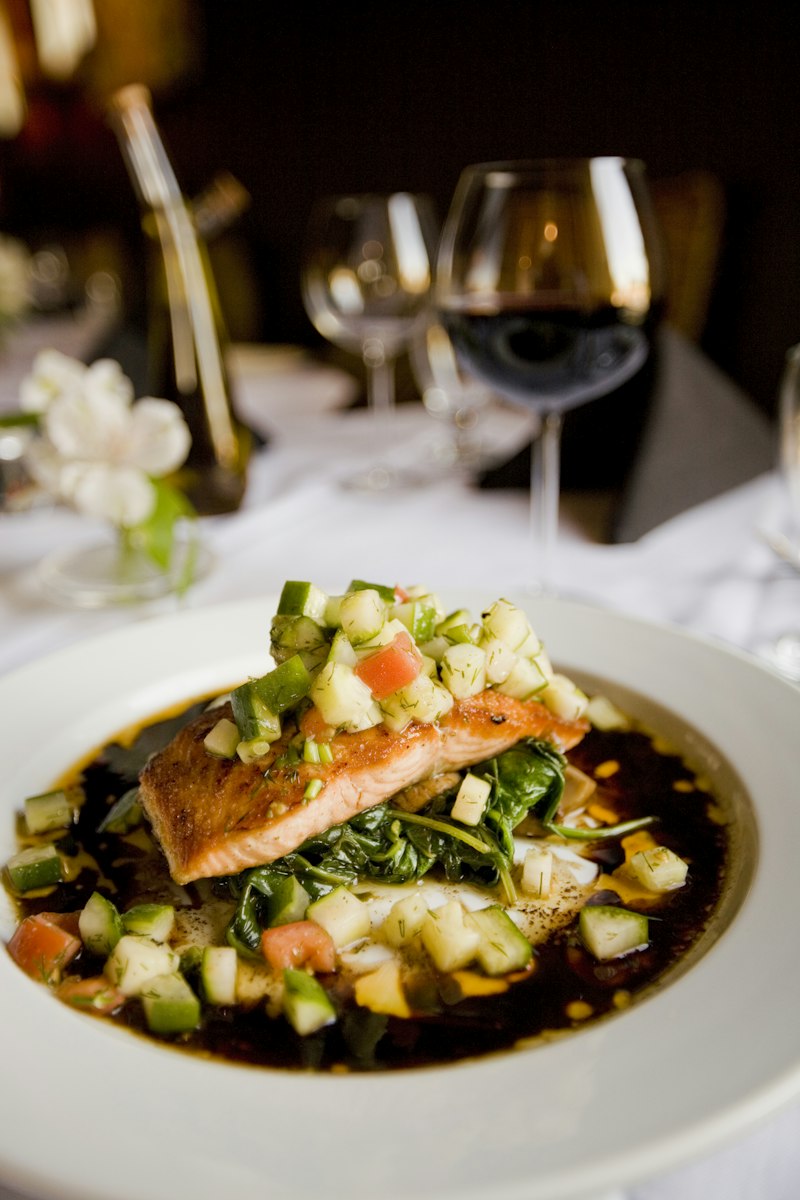
Renal-friendly meals with controlled sodium, potassium, and phosphorus to protect kidney function. Flavorful eating without sacrificing safety.
Kidney Disease Diet FAQ
What foods should you avoid with kidney disease?
Limit high-potassium foods (bananas, oranges, potatoes, tomatoes), high-phosphorus foods (dairy, processed meats, dark colas), and high-sodium foods (canned soups, deli meats, salty snacks). Portion control on protein is also important to reduce kidney workload.
How much protein can you eat with kidney disease?
For non-dialysis CKD patients, 0.6-0.8g of protein per kg of body weight is recommended. For dialysis patients, protein needs increase to 1.0-1.2g/kg. Always follow your nephrologist's guidance as needs vary by stage.
What fruits are safe for kidney disease?
Low-potassium fruits are best: apples, berries (blueberries, strawberries, cranberries), grapes, pineapple, and cherries. Avoid or limit high-potassium fruits like bananas, oranges, kiwi, and dried fruits.
Is a renal diet the same as a low-sodium diet?
Low sodium is one part of a renal diet, but it also controls potassium, phosphorus, and protein. A renal diet is more comprehensive — it balances all four nutrients to protect kidney function and prevent complications.
Can a kidney-friendly diet slow disease progression?
Yes. Research shows that controlling sodium, potassium, phosphorus, and protein intake can slow CKD progression and reduce the risk of complications. Combined with blood pressure management and proper hydration, diet is one of the most impactful interventions.
What is a 7-day meal plan for kidney disease?
It is a week of lower-sodium meals with portioned protein and fruits and vegetables chosen for potassium: apples, berries, grapes, white rice, chicken or fish, and cooked vegetables in amounts your labs allow. The sample menu on this page follows that pattern. Potassium, phosphorus, and protein limits change by stage, so a renal dietitian should adjust it to your bloodwork.
What is a good menu for kidney disease?
A practical day is oatmeal with berries and egg whites at breakfast, grilled chicken with white rice and green beans at lunch, and baked fish with cabbage or carrots at dinner. Season with herbs, lemon if your potassium allows, and very little salt. Skip dark cola, processed meats, and large servings of banana, orange, potato, and tomato unless your dietitian says they fit your labs.
What is the life expectancy for someone with stage 3 kidney disease at 80 years old?
A large Alberta study (Turin et al., 2012) estimated remaining life expectancy at age 80 of about 4.3 years for men and 5.3 years for women with an eGFR of 45 to 59 (stage 3a), and about 3.4 and 4.5 years with an eGFR of 30 to 44 (stage 3b). People the same age with an eGFR of 60 or higher averaged about 4.6 and 5.6 years, so stage 3a is close to that. These are population averages, not a forecast for one person. Protein in the urine and heart disease change the outlook more than the stage label alone.
What stage of kidney disease is frequent urination?
Frequent urination is not a stage of kidney disease. Stages are based on eGFR and urine albumin, and early CKD often has no urinary symptoms. Needing to go often is more commonly linked to diabetes, a urinary infection, or an enlarged prostate. Later kidney disease can make it harder to concentrate urine, which shows up as nighttime trips, but that symptom alone does not assign a stage.
What kind of diet is recommended for people with chronic kidney disease?
A renal diet is individualized. Most people who are not on dialysis limit sodium and keep protein moderate, about 0.6 to 0.8 grams per kilogram of body weight, unless a clinician sets a different target. Potassium and phosphorus are restricted only when blood tests are high. On dialysis, protein needs usually go up. The menu should follow your latest labs, not a generic ban list.
Free Tools for This Plan
Browse Recipes
Related Meal Plans
Explore other plans for specific health conditions.

Diabetic Meal Plan
Control blood sugar with low glycemic meals and balanced carbs.
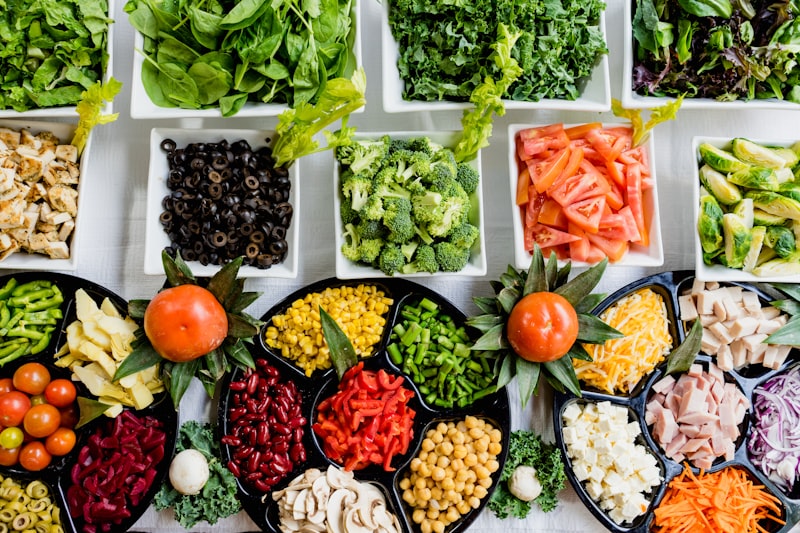
Low-Sodium Meal Plan
Heart-healthy meals under 1,500mg sodium per day.
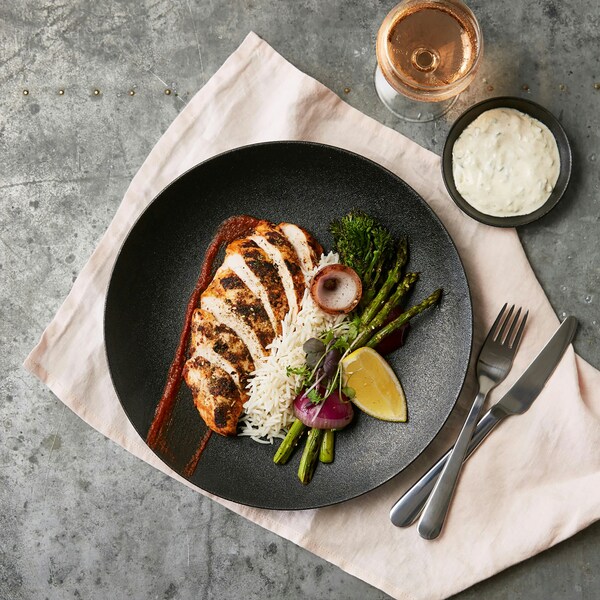
DASH Meal Plan
Clinically proven to lower blood pressure with whole foods.

Pancreatitis Meal Plan
Ultra low-fat meals to support organ recovery.

Fatty Liver Meal Plan
Reduce liver fat with antioxidant-rich, low-sugar meals.
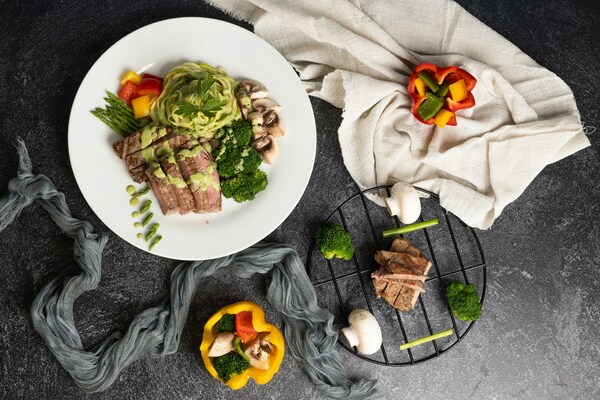
Gastritis Meal Plan
Bland, stomach-gentle meals for digestive comfort.
Ready to protect your kidneys?
Get a personalized renal-friendly meal plan with controlled sodium, potassium, phosphorus — plus recipes and a grocery list.
Create My Kidney Plan