
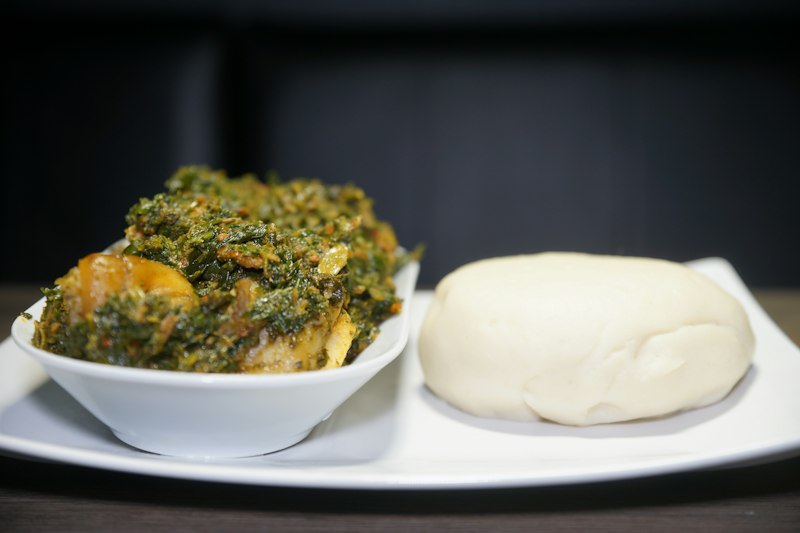
Low-residue, anti-inflammatory meals to soothe your colon and reduce flare-ups. Gentle nutrition that keeps you properly nourished during both remission and active flares.
Ulcerative Colitis Diet FAQ
What should I eat with ulcerative colitis?
Focus on low-residue, easy-to-digest foods: well-cooked vegetables (carrots, squash, potatoes without skin), lean proteins (chicken, fish, eggs), white rice, bananas, applesauce, and smooth nut butters. During flares, keep fiber very low and avoid raw vegetables, seeds, and tough meats. During remission, you can gradually reintroduce more variety.
What foods trigger ulcerative colitis flares?
Common triggers include high-fiber raw vegetables, seeds and nuts, spicy foods, dairy (for lactose-intolerant individuals), alcohol, caffeine, carbonated drinks, fatty or fried foods, and processed meats. Triggers vary by person — keeping a food diary helps identify your specific ones.
Is a low-residue diet the same as a low-fiber diet?
They're similar but not identical. A low-residue diet limits fiber to under 10-15g per day and also restricts foods that increase stool bulk, like dairy and tough connective tissue in meats. It's designed to reduce the frequency and volume of bowel movements, giving the colon time to heal during active UC flares.
Can diet cure ulcerative colitis?
Diet cannot cure UC, which is a chronic autoimmune condition requiring medical treatment. However, diet plays a crucial role in managing symptoms, reducing flare frequency, and maintaining nutritional status. Many patients find that identifying and avoiding trigger foods significantly improves their quality of life alongside medication.
Should I take supplements with ulcerative colitis?
Many UC patients benefit from supplements due to malabsorption. Common recommendations include iron (for anemia from bleeding), vitamin D and calcium (especially if on corticosteroids), B12 and folate (if the ileum is affected), and omega-3 fatty acids (for anti-inflammatory effects). Always consult your gastroenterologist before starting supplements.
What is a 7-day meal plan for ulcerative colitis?
It is a week of low-residue meals built around eggs, oatmeal, banana, white rice or plain pasta, lean chicken, turkey, or fish, and well-cooked peeled vegetables such as carrots, potato, and squash. During a flare, keep fiber very low and leave out raw produce, nuts, seeds, and spicy sauces. During quieter weeks, add foods back one at a time. The sample menu on this page follows that pattern and sits alongside medical treatment, not in place of it.
What is a simple meal for ulcerative colitis?
A simple plate is baked chicken or white fish, white rice or mashed potato, and a well-cooked peeled carrot or a spoon of pureed squash. During a flare, keep the portions soft and skip skins, seeds, and heavy sauces. Plain chicken noodle soup is another easy option.
What are the 6 worst foods for ulcerative colitis?
The foods most often linked with flares are raw high-fiber vegetables, nuts and seeds, spicy dishes, alcohol, fried or fatty foods, and caffeine or carbonated drinks. Dairy and processed meats bother many people too. Triggers are personal, so a short food diary is more useful than cutting every item forever.
How do Japanese treat ulcerative colitis?
Japanese doctors treat ulcerative colitis with the same medicines used elsewhere: mesalamine, steroids for flares, and immunomodulators or biologics when those are not enough. Diet supports that care. During active flares, Japanese hospitals often use a low-residue or elemental diet, then move to gentle cooked meals such as white rice, steamed fish, and soft vegetables. There is no Japanese diet that cures UC.
Can I eat spaghetti with ulcerative colitis?
Plain refined pasta is often well tolerated, including during a flare, because it is low in fiber. The sauce is the usual problem. Skip chunky tomato, chili, cream, and seeded vegetable sauces when symptoms are active. A light olive oil or a simple broth, as in the shrimp and pasta dinner on this plan, is easier on the colon.
Free Tools for This Plan
Browse Recipes
Related Meal Plans
Plans that share gentle, gut-friendly principles with UC-friendly eating.
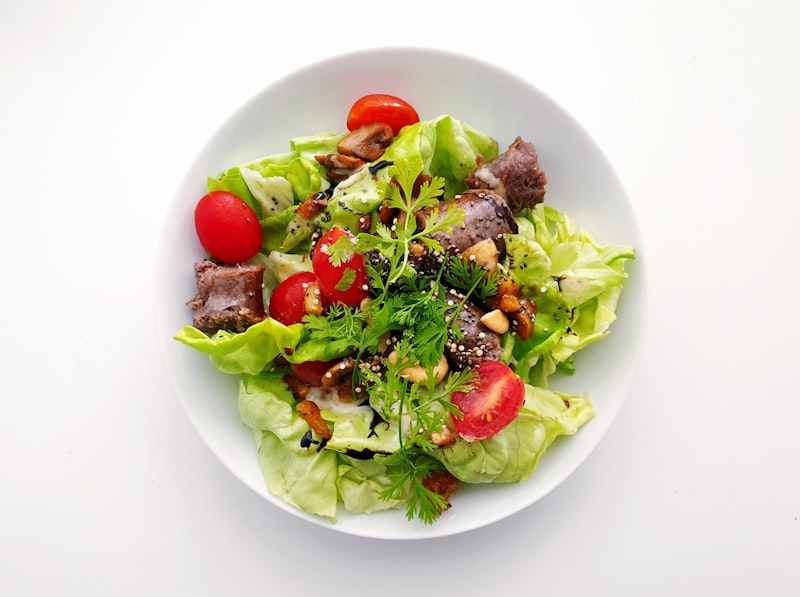
Ulcer Meal Plan
Similar gentle eating principles for peptic ulcer healing and stomach protection.
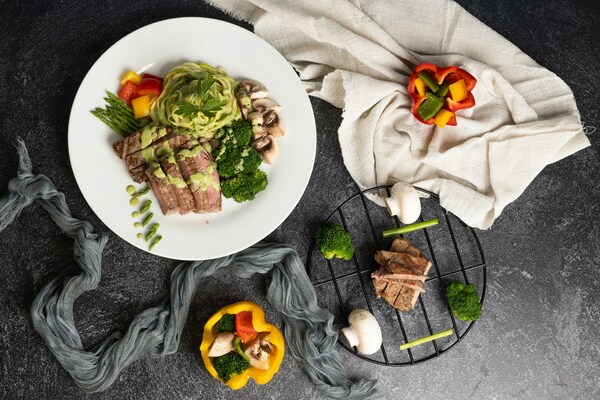
Gastritis Meal Plan
Soothing meals that reduce stomach inflammation and acid irritation.
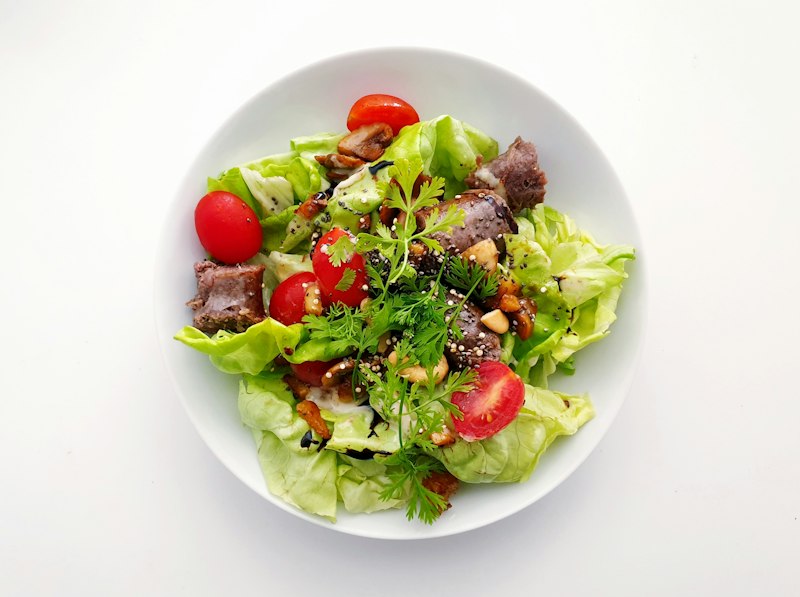
Low FODMAP Meal Plan
Reduce fermentable carbs that often worsen UC and IBS symptoms.
Elimination Meal Plan
Systematically identify which foods trigger your UC symptoms.

Gluten-Free Meal Plan
Many UC patients find gluten worsens symptoms — try going GF.

Balanced Meal Plan
Transition to balanced eating during extended remission periods.
Ready to calm your gut?
Get your personalized ulcerative colitis meal plan with gentle, low-residue recipes, anti-inflammatory foods, and a complete grocery list.
Create my own