AI Meal Planner logo AI Meal Planner
Microbiome Health

Gut Health Meal Plan
Heal Your Gut Naturally

Restore your microbiome with a 7-day plan rich in probiotics, prebiotics, and anti-inflammatory whole foods. Fermented foods at every meal, prebiotic fiber to feed good bacteria, and meals designed to improve digestion, boost immunity, and support mental clarity.

Probiotic Rich
Prebiotic Fiber
Anti-Inflammatory
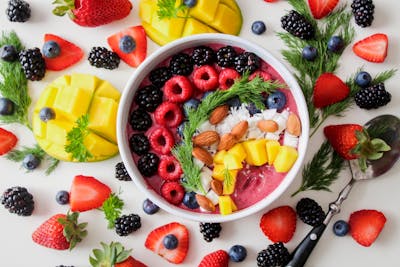
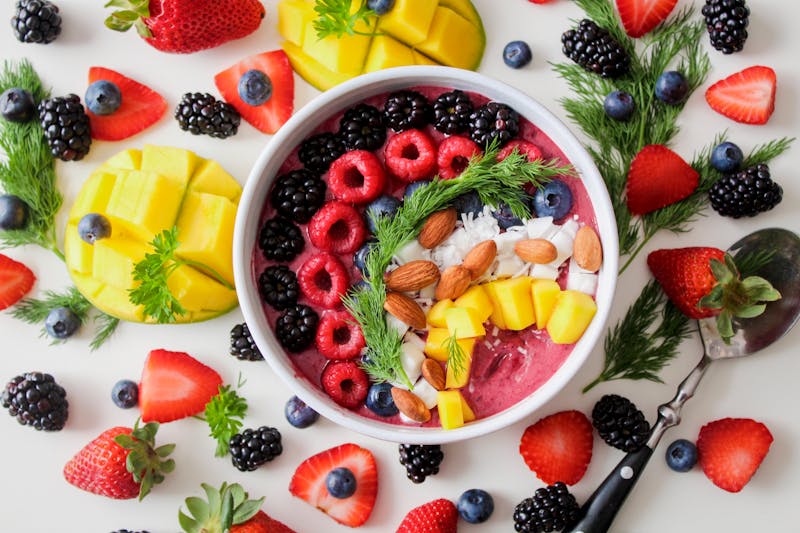
Gut health foods including fermented vegetables, yogurt, and whole grains
Gut
Microbiome

What Is a Gut Health Diet?

A gut health diet focuses on nourishing the trillions of bacteria in your digestive tract — your gut microbiome. These microbes influence digestion, immunity, mood, weight, and even skin health. The foods you eat directly determine which bacteria thrive: probiotic-rich fermented foods introduce beneficial strains, prebiotic fiber feeds them, and anti-inflammatory whole foods create the environment they need to flourish. Research shows that a diverse, plant-rich diet with daily fermented foods is the single most effective way to improve microbial diversity.

Probiotics & Fermented Foods

Yogurt, kefir, sauerkraut, kimchi, miso, and kombucha deliver live beneficial bacteria directly to your gut. Daily consumption maintains a healthy, diverse microbiome and improves digestion.

Prebiotic Fiber

Garlic, onions, leeks, asparagus, bananas, oats, and beans contain fibers that your good bacteria ferment into short-chain fatty acids — compounds that heal the gut lining and reduce inflammation.

Anti-Inflammatory Foods

Omega-3 rich fish, turmeric, ginger, berries, and leafy greens calm intestinal inflammation, allowing your gut lining to repair and your microbiome to rebalance naturally.

What Foods Heal the Gut?

Gut healing requires two types of foods working together: probiotics (live beneficial bacteria) and prebiotics (fiber that feeds them). Eating both daily restores microbiome diversity, reduces inflammation, and strengthens the gut lining. Here are the most effective gut-healing foods:

Food Type How It Helps
Yogurt (live cultures)ProbioticLactobacillus and Bifidobacterium restore gut flora balance
KefirProbiotic12+ bacterial strains — more diverse than yogurt
SauerkrautProbioticFermented cabbage rich in Lactobacillus bacteria
KimchiProbioticFermented vegetables with anti-inflammatory compounds
MisoProbioticFermented soy paste that promotes beneficial gut bacteria
Garlic & OnionsPrebioticInulin fiber feeds Bifidobacteria in the colon
AsparagusPrebioticRich in inulin — one of the best prebiotic vegetables
OatsPrebioticBeta-glucan fiber produces anti-inflammatory SCFAs
BananasPrebioticResistant starch (especially when slightly green) feeds gut bacteria
Bone BrothGut RepairCollagen and glutamine strengthen the intestinal lining
SalmonAnti-InflammatoryOmega-3 fatty acids reduce gut inflammation

Complete 7-Day Gut Health Menu

Every meal includes probiotic or prebiotic foods — with exact calories, protein, carbs, and fat.

Days 1 2 3 4 5 6 7
Meals Breakfast: Kefir Smoothie with Banana & Oats
Lunch: Miso Soup with Tofu & Brown Rice
Dinner: Baked Salmon with Sauerkraut & Roasted Asparagus
Breakfast: Yogurt Parfait with Berries & Granola
Lunch: Kimchi Rice Bowl with Chicken
Dinner: Bone Broth Vegetable Soup
Breakfast: Overnight Oats with Kefir & Apple
Lunch: Lentil Soup with Garlic & Turmeric
Dinner: Chicken Thighs with Sauerkraut & Sweet Potato
Breakfast: Miso Oatmeal with Scallions & Egg
Lunch: Yogurt-Marinated Chicken Wrap
Dinner: Salmon & Asparagus with Kimchi Fried Rice
Breakfast: Kefir & Berry Smoothie Bowl
Lunch: Miso-Glazed Cod with Brown Rice & Bok Choy
Dinner: Bean & Vegetable Stew with Sauerkraut
Breakfast: Banana Oat Pancakes with Yogurt
Lunch: Kimchi & Black Bean Burrito Bowl
Dinner: Ginger-Turmeric Chicken with Leek & Lentil Pilaf
Breakfast: Savory Yogurt Bowl with Cucumber & Garlic
Lunch: Bone Broth Ramen with Miso & Vegetables
Dinner: Turkey Meatballs with Sauerkraut & Roasted Root Vegetables
Daily Totals Calories: 1,480
Protein: 80g
Carbs: 158g
Fat: 56g
Calories: 1,480
Protein: 90g
Carbs: 172g
Fat: 44g
Calories: 1,520
Protein: 84g
Carbs: 176g
Fat: 50g
Calories: 1,560
Protein: 96g
Carbs: 156g
Fat: 58g
Calories: 1,500
Protein: 82g
Carbs: 184g
Fat: 44g
Calories: 1,600
Protein: 84g
Carbs: 188g
Fat: 52g
Calories: 1,500
Protein: 94g
Carbs: 142g
Fat: 58g

Day 1

Daily totals: 1,480 calories, 56g fat, 80g protein, 158g carbs

Breakfast (420 calories)

Kefir Smoothie with Banana & Oats

Kefir, frozen banana, rolled oats, ground flaxseed, raw honey.

Lunch (480 calories)

Miso Soup with Tofu & Brown Rice

White miso broth, silken tofu, wakame seaweed, scallions; brown rice on the side.

Dinner (580 calories)

Baked Salmon with Sauerkraut & Roasted Asparagus

Baked salmon fillet, raw sauerkraut, roasted asparagus with garlic and olive oil.

Day 2

Daily totals: 1,480 calories, 44g fat, 90g protein, 172g carbs

Breakfast (400 calories)

Yogurt Parfait with Berries & Granola

Plain Greek yogurt, mixed berries, oat granola, drizzle of honey, chia seeds.

Lunch (560 calories)

Kimchi Rice Bowl with Chicken

Brown rice, grilled chicken, kimchi, sautéed garlic spinach, sesame seeds.

Dinner (520 calories)

Bone Broth Vegetable Soup

Chicken bone broth, leeks, carrots, celery, white beans, fresh thyme; whole grain bread.

Day 3

Daily totals: 1,520 calories, 50g fat, 84g protein, 176g carbs

Breakfast (440 calories)

Overnight Oats with Kefir & Apple

Rolled oats soaked in kefir, diced apple, cinnamon, walnuts, ground flaxseed.

Lunch (460 calories)

Lentil Soup with Garlic & Turmeric

Red lentils, garlic, onion, turmeric, ginger, tomatoes, spinach; lemon juice.

Dinner (620 calories)

Chicken Thighs with Sauerkraut & Sweet Potato

Roasted chicken thighs, raw sauerkraut, baked sweet potato, steamed broccoli.

This is just a sample

Want this plan customized for you?

Get a meal plan tailored to your calories, food preferences, allergies, and schedule — with a full grocery list and step-by-step recipes.

Create My Custom Plan

Day 4

Daily totals: 1,560 calories, 58g fat, 96g protein, 156g carbs

Breakfast (420 calories)

Miso Oatmeal with Scallions & Egg

Savory oatmeal with white miso, soft-boiled egg, scallions, sesame oil, nori flakes.

Lunch (540 calories)

Yogurt-Marinated Chicken Wrap

Whole wheat wrap, yogurt-marinated grilled chicken, shredded cabbage, pickled onion, garlic sauce.

Dinner (600 calories)

Salmon & Asparagus with Kimchi Fried Rice

Pan-seared salmon, kimchi fried brown rice with garlic and scallions, steamed asparagus.

Day 5

Daily totals: 1,500 calories, 44g fat, 82g protein, 184g carbs

Breakfast (440 calories)

Kefir & Berry Smoothie Bowl

Kefir blended with frozen berries and banana, topped with oat granola, hemp seeds, sliced almonds.

Lunch (520 calories)

Miso-Glazed Cod with Brown Rice & Bok Choy

White miso-glazed baked cod, brown rice, steamed bok choy with garlic.

Dinner (540 calories)

Bean & Vegetable Stew with Sauerkraut

White beans, carrots, onion, celery, tomatoes, kale; topped with raw sauerkraut and olive oil.

Day 6

Daily totals: 1,600 calories, 52g fat, 84g protein, 188g carbs

Breakfast (440 calories)

Banana Oat Pancakes with Yogurt

Oat flour pancakes with mashed banana, topped with plain yogurt and fresh berries.

Lunch (580 calories)

Kimchi & Black Bean Burrito Bowl

Brown rice, black beans, kimchi, avocado, sautéed onion and garlic, lime crema.

Dinner (580 calories)

Ginger-Turmeric Chicken with Leek & Lentil Pilaf

Grilled chicken with ginger-turmeric marinade, green lentil and leek pilaf, steamed green beans.

Day 7

Daily totals: 1,500 calories, 58g fat, 94g protein, 142g carbs

Breakfast (380 calories)

Savory Yogurt Bowl with Cucumber & Garlic

Plain yogurt, diced cucumber, minced garlic, olive oil, fresh dill, whole grain toast.

Lunch (520 calories)

Bone Broth Ramen with Miso & Vegetables

Chicken bone broth, white miso, whole grain noodles, soft-boiled egg, mushrooms, scallions, nori.

Dinner (600 calories)

Turkey Meatballs with Sauerkraut & Roasted Root Vegetables

Baked turkey meatballs with garlic and herbs, raw sauerkraut, roasted carrots, parsnips, onion.

Shopping List

Weekly Grocery List

Everything you need for the full 7-day gut health plan.

🫙 Fermented Foods

  • Plain Greek yogurt 750g
  • Kefir 1 liter
  • Raw sauerkraut (unpasteurized) 500g
  • Kimchi 400g
  • White miso paste 200g

🧅 Prebiotic Foods

  • Garlic 2 heads
  • Onions 4
  • Leeks 2
  • Asparagus 2 bunches
  • Bananas 5
  • Rolled oats 500g
  • Oat flour 200g

🍗 Proteins

  • Salmon fillets 3 fillets
  • Chicken breast 400g
  • Chicken thighs 400g
  • Cod fillets 2 fillets
  • Ground turkey 400g
  • Silken tofu 300g
  • Eggs 6
  • Chicken bone broth 1.5 liters

🥬 Vegetables

  • Broccoli 1 head
  • Spinach 300g
  • Kale 1 bunch
  • Sweet potatoes 2
  • Carrots 6
  • Celery 1 bunch
  • Bok choy 2 heads
  • Green beans 200g
  • Cabbage 1 small head
  • Cucumber 2
  • Mushrooms 200g
  • Parsnips 2
  • Scallions 2 bunches

🍎 Fruits

  • Mixed berries (fresh/frozen) 500g
  • Apples 2
  • Lemons 3
  • Limes 2
  • Avocados 2
  • Fresh ginger root 1 piece

🥜 Pantry & Staples

  • Brown rice 500g
  • Red lentils 400g
  • Green lentils 300g
  • Black beans (canned) 1 can
  • White beans (canned) 2 cans
  • Whole wheat wraps 1 pack
  • Whole grain bread 1 loaf
  • Whole grain noodles 200g
  • Oat granola 300g
  • Chia seeds 100g
  • Ground flaxseed 100g
  • Hemp seeds 50g
  • Walnuts 100g
  • Sliced almonds 50g
  • Turmeric (ground) 1 jar
  • Olive oil 1 bottle
  • Sesame oil 1 bottle
  • Raw honey 1 jar
  • Canned tomatoes 2 cans
  • Wakame seaweed 1 pack
  • Nori sheets 1 pack
Get Your Personalized Grocery List

or

Perfect For

Who Needs a Gut Health Meal Plan?

Your microbiome affects far more than digestion — it influences immunity, mood, weight, and energy.

🫃

IBS & Digestive Issues

Chronic bloating, gas, constipation, or diarrhea often stem from gut dysbiosis. A structured plan with gentle probiotics and prebiotic fiber helps restore bacterial balance and reduce symptoms.

💊

Post-Antibiotic Recovery

Antibiotics wipe out good and bad bacteria alike. Fermented foods and prebiotic fiber help rebuild your microbiome faster and prevent secondary infections like Candida overgrowth.

🛡️

Immunity Boosters

70–80% of your immune system lives in the gut. Daily probiotics and diverse plant fiber train immune cells, reduce infections, and lower autoimmune inflammation.

🧠

Mental Health & Gut-Brain Axis

95% of serotonin is made in the gut. A healthy microbiome produces neurotransmitters that improve mood, reduce anxiety, and support cognitive clarity through the gut-brain connection.

Gut-Friendly Foods to Eat & Foods to Avoid

Nourish your microbiome with fermented foods and fiber while removing gut irritants.

Gut-Healing Foods

  • Fermented foods — yogurt, kefir, sauerkraut, kimchi, miso, kombucha (daily probiotics)
  • Prebiotic fiber — garlic, onions, leeks, asparagus, bananas, oats, beans
  • Omega-3 fatty acids — salmon, sardines, walnuts, flaxseeds (reduce gut inflammation)
  • Bone broth — collagen and L-glutamine to repair and seal the gut lining
  • Polyphenol-rich foods — berries, green tea, dark chocolate, extra virgin olive oil
  • Diverse vegetables — aim for 30+ different plant foods per week for microbial diversity

Gut-Damaging Foods

  • Artificial sweeteners — aspartame, sucralose, saccharin disrupt gut bacteria composition
  • Ultra-processed foods — emulsifiers and preservatives damage the intestinal lining
  • Refined sugar — feeds harmful bacteria and yeast like Candida
  • Excess alcohol — increases intestinal permeability (leaky gut) and kills beneficial bacteria
  • Processed meats — nitrates and preservatives promote inflammatory gut bacteria
  • Artificial additives — colorings, MSG, and chemical preservatives harm the microbiome

How to Heal Your Gut Through Food

Four evidence-based steps to restore your microbiome and improve digestion.

1

Introduce Probiotics Daily

Start eating one fermented food per day — yogurt, kefir, sauerkraut, or kimchi. These deliver live bacteria that colonize your gut and improve microbial diversity within days.

2

Feed Good Bacteria with Prebiotics

Add prebiotic-rich foods like garlic, onions, asparagus, bananas, and oats to your meals. These fibers are fuel for beneficial bacteria, helping them multiply and crowd out harmful strains.

3

Remove Gut Irritants

Cut back on artificial sweeteners, ultra-processed foods, excess alcohol, and refined sugar. These damage the gut lining and feed harmful bacteria that cause inflammation and bloating.

4

Diversify Your Plant Intake

Aim for 30+ different plant foods per week — vegetables, fruits, grains, legumes, nuts, and seeds. Microbial diversity is the single best predictor of gut health, and dietary diversity drives it.

Want this plan personalized for you?

Get a custom 7-day meal plan with grocery list, macro tracking, and 600+ recipes.

Get My Personalized Plan

Gut Health Diet FAQ

What is a gut health meal plan?

A gut health meal plan is a structured eating approach designed to support and restore the gut microbiome — the trillions of bacteria living in your digestive tract. It emphasizes probiotic-rich fermented foods (yogurt, kefir, sauerkraut, kimchi, miso), prebiotic fiber that feeds beneficial bacteria (garlic, onions, asparagus, bananas, oats), and anti-inflammatory whole foods. A well-designed 7-day plan includes all three categories at every meal to maximize microbial diversity and digestive health.

What foods heal the gut?

The best gut-healing foods include: fermented foods (yogurt, kefir, sauerkraut, kimchi, miso, kombucha) that introduce beneficial bacteria; prebiotic foods (garlic, onions, leeks, asparagus, bananas, oats, beans) that feed existing good bacteria; bone broth that contains collagen and amino acids to repair the gut lining; omega-3 rich foods (salmon, sardines, walnuts) that reduce intestinal inflammation; and polyphenol-rich foods (berries, green tea, dark chocolate) that promote microbial diversity.

What are the best probiotics for gut health?

The best food-based probiotics for gut health are: plain yogurt with live active cultures (Lactobacillus, Bifidobacterium), kefir (contains 30+ strains of bacteria and yeasts), sauerkraut (unpasteurized, raw), kimchi (Korean fermented vegetables), miso paste (fermented soybeans), kombucha (fermented tea), tempeh (fermented soybeans), and traditional pickles (lacto-fermented, not vinegar-based). Food-based probiotics are generally more effective than supplements because they deliver bacteria in a natural food matrix with additional nutrients.

How to improve gut health naturally?

To improve gut health naturally: 1) Eat fermented foods daily — yogurt, kefir, sauerkraut, or kimchi introduce beneficial bacteria. 2) Eat 30+ different plant foods per week to increase microbial diversity. 3) Consume prebiotic fiber from garlic, onions, asparagus, bananas, and oats. 4) Avoid artificial sweeteners, which disrupt gut bacteria. 5) Reduce ultra-processed foods and refined sugar. 6) Manage stress — the gut-brain axis means chronic stress damages your microbiome. 7) Sleep 7–9 hours — sleep deprivation reduces beneficial bacteria within 48 hours.

What foods are bad for gut health?

Foods that harm gut health include: ultra-processed foods (chips, fast food, packaged snacks) that contain emulsifiers and preservatives damaging the gut lining; artificial sweeteners (aspartame, sucralose, saccharin) that alter gut bacteria composition; refined sugar that feeds harmful bacteria and yeast like Candida; excess alcohol that increases intestinal permeability (leaky gut); red and processed meats in large amounts that promote inflammatory bacteria; and foods with artificial additives, colorings, and preservatives.

What is leaky gut and can diet fix it?

Leaky gut (increased intestinal permeability) occurs when the tight junctions in the gut lining weaken, allowing undigested food particles, toxins, and bacteria to enter the bloodstream. This triggers inflammation and immune responses. Diet plays a major role in both causing and healing it. To repair leaky gut: eat bone broth (collagen supports gut lining repair), fermented foods (restore beneficial bacteria), omega-3 fatty acids (reduce inflammation), and L-glutamine-rich foods (cabbage, bone broth). Avoid gluten, refined sugar, alcohol, and processed foods that worsen permeability.

What is the difference between prebiotics and probiotics?

Probiotics are live beneficial bacteria that you introduce to your gut through fermented foods (yogurt, kefir, sauerkraut, kimchi) or supplements. Prebiotics are types of fiber that feed and nourish the beneficial bacteria already living in your gut — found in garlic, onions, leeks, asparagus, bananas, oats, and beans. You need both: probiotics add new good bacteria, while prebiotics help them thrive and multiply. Foods that contain both are called synbiotics — like yogurt topped with bananas or kefir blended with oats.

How does gut health affect mental health?

The gut-brain axis is a bidirectional communication network between your gut and brain. About 95% of serotonin (the "happiness hormone") is produced in the gut. Gut bacteria also produce GABA, dopamine, and other neurotransmitters. Research shows that people with depression and anxiety often have less diverse gut microbiomes. Improving gut health through fermented foods, prebiotic fiber, and anti-inflammatory eating has been shown to reduce symptoms of depression and anxiety in clinical trials — a field now called "nutritional psychiatry."

How long does it take to heal your gut?

Gut bacteria can begin shifting within 24–48 hours of dietary changes, but meaningful microbiome improvement typically takes 2–4 weeks of consistent eating. Full gut healing — especially after antibiotic use, chronic stress, or long-term poor diet — can take 3–6 months. The key is consistency: daily fermented foods, diverse plant fiber, and avoiding gut-damaging foods. Most people notice improved digestion, less bloating, and better energy within the first 2 weeks of a gut health meal plan.

Does gut health affect immunity?

Yes — approximately 70–80% of your immune system resides in the gut. The gut-associated lymphoid tissue (GALT) is the largest immune organ in the body. A diverse, healthy microbiome trains immune cells to distinguish between harmful pathogens and harmless substances, reducing both infections and autoimmune reactions. Probiotic foods like yogurt and kefir have been shown to reduce the duration of common colds by 1–2 days. Prebiotic fiber produces short-chain fatty acids that strengthen the gut barrier and regulate immune responses.

What causes bloating and how does gut health help?

Bloating is usually caused by an imbalance of gut bacteria (dysbiosis), poor digestion, food intolerances, or excess gas production from certain foods. Improving gut health helps by: restoring bacterial balance with probiotics (reducing gas-producing bad bacteria), improving digestion with fermented foods that contain natural enzymes, and strengthening the gut lining to reduce food sensitivities. Start slowly with fermented foods — introduce one serving per day and increase gradually. Ginger, peppermint tea, and cooked vegetables are gentler on a sensitive gut than raw foods.

Can I eat gut health foods on a budget?

Absolutely. The most affordable gut-healthy foods include: plain yogurt (one of the cheapest probiotic sources), oats (prebiotic fiber for pennies per serving), bananas (cheap prebiotic), garlic and onions (inexpensive prebiotic staples), dried beans and lentils (prebiotic fiber and protein), cabbage (make your own sauerkraut for almost nothing), and homemade bone broth from leftover bones. You can also make kefir at home with reusable grains and milk. A gut health diet can actually save money by replacing expensive processed foods with whole ingredients.

Ready to heal your gut with real food?

Answer a few questions about your symptoms, preferences, and goals — get a personalized gut health meal plan with probiotic-rich recipes, exact macros, and a grocery list in minutes.

Get My Gut Health Plan

Personalized meal plans tailored to your calories, macros, and preferences.